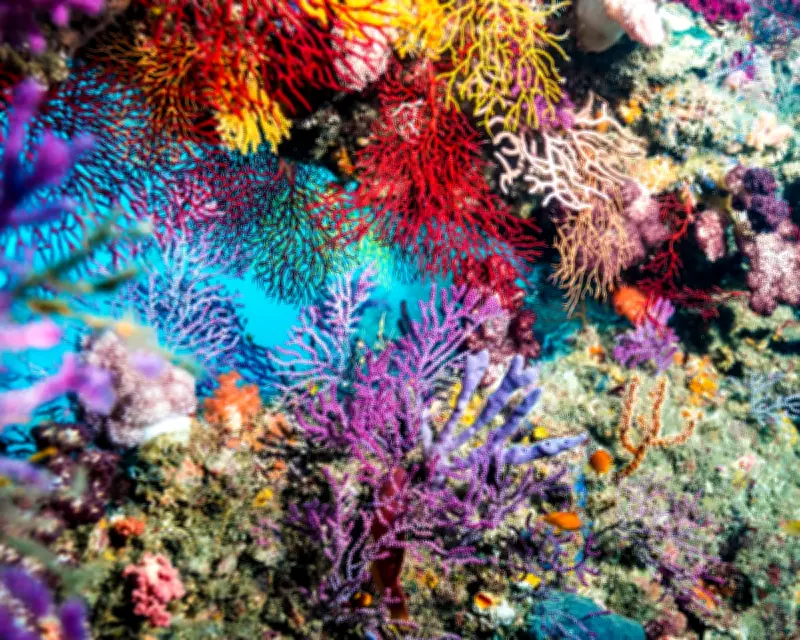
In his latest book, Togetherness, Rowan Hooper presents a captivating exploration of cooperation across the natural world. The book delves into the intricate relationships that exist between species, highlighting how collaboration is as fundamental as competition in evolution.
A Deep Dive into Symbiosis
Hooper, a science writer and editor at New Scientist, takes readers on a journey from the microscopic to the global. He examines how bacteria, plants, animals, and even ecosystems thrive through mutual support. The book challenges the traditional narrative of nature as a ruthless battlefield, instead revealing a web of interdependence.
Key Examples of Cooperation
One striking example is the relationship between clownfish and sea anemones. Hooper describes how the fish gain protection from predators while the anemone benefits from the fish's waste as nutrients. Similarly, he explores the partnership between fungi and tree roots, known as mycorrhizal networks, which allow trees to share resources and communicate.

Human Connections
The book also draws parallels to human society. Hooper argues that our ability to cooperate on large scales is a key driver of civilization. He cites examples from indigenous cultures to modern cities, showing how collaboration enables complex social structures.
Critical Acclaim
Critics have praised Togetherness for its accessible prose and profound insights. It has been described as 'a stunning portrait of cooperation in nature' and 'a timely reminder of the power of unity.' The book is recommended for anyone interested in biology, ecology, or the deeper connections that bind life on Earth.
Why Read This Book?
- It offers a fresh perspective on evolution and ecology.
- It provides hope in an era of environmental challenges.
- It inspires readers to see the world as a network of relationships.
Togetherness is published by HarperCollins and is available now. Hooper's work is a must-read for those seeking to understand the beauty and necessity of cooperation in nature.