Maggie O’Farrell’s tenth novel, Land, is a sprawling family saga that traverses the landmarks of 19th-century Irish history, including the Great Famine and the Ordnance Survey. However, the book flattens Ireland into a theme-pub cliché, according to a new review.
A Simplified Version of Irishness
The novel is inspired by O’Farrell’s discovery that her great-great-grandfather worked on the Ordnance Survey, carried out between 1824 and 1846. The survey aimed to determine township boundaries for British tax administration, standardizing place names and entrenching Anglicisation. O’Farrell, born in Coleraine in 1972, has drawn on her Irish heritage before, but Land ramps up the theme of homecoming.
The story follows Tomás, a surveyor, and his children, looping through time from 1865. It privileges the Irish underclass and their resistance to colonial mapping. Tomás, a native Irish speaker, experiences a crisis of conscience when he discovers a well linked to Gaelic mythology, prompting him to create his own map reflecting local knowledge.

Critique of Characterisation
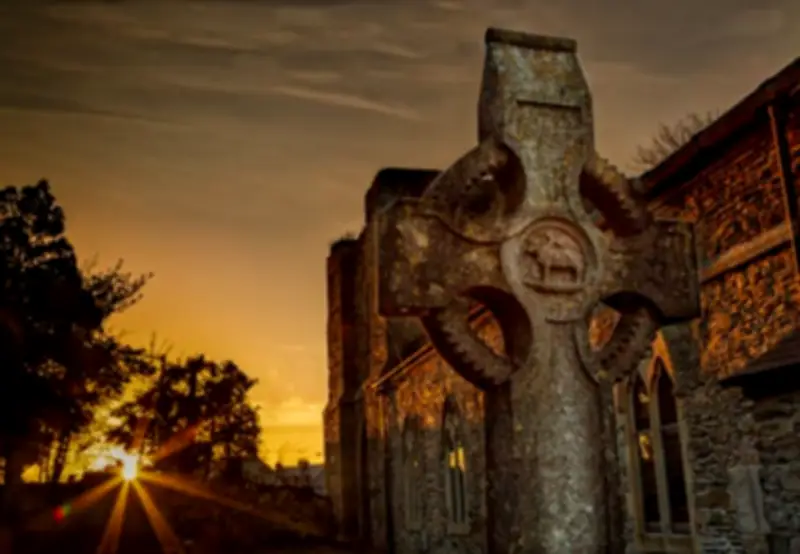
The novel relies on simplistic characterisations. The English are caricatured as “redcoats” using insults like “paddy,” while the Anglo-Irish Ascendancy are one-dimensional villains. Catholic figures are flattened, with the parish priest performing an exorcism to assert authority. O’Farrell insists on a version of Irishness untainted by Catholicism, ignoring blended beliefs like the Celtic cross and Christianised wells.
The seanchaí tradition is invoked to oppose British culture, but the novel disregards how Gaelic culture became intertwined with Catholicism. This feels like a jarring attempt to indict the Catholic Church for contemporary failings.
Nationalist Associations
By reverting to pre-colonial culture, Land yields nationalist associations. The novel is set in an unnamed western Irish location, long associated with romanticised nationalism. Place names remain politicised in Ireland, and the book raises questions about who has a right to belong, especially amid rising anti-immigration violence.
O’Farrell earlier worried about replicating an “Irish theme pub” version of Irishness, but in Land she succumbs to it. Any tourist brochure can rhapsodise about Ireland’s mythical landscape; it is the novelist’s responsibility to articulate the complexities of the island’s evolving “mythstory.”