In response to Ioan Marc Jones's article on relearning how to read classic novels in a distracted age, readers have shared their own experiences and strategies for mastering challenging books.
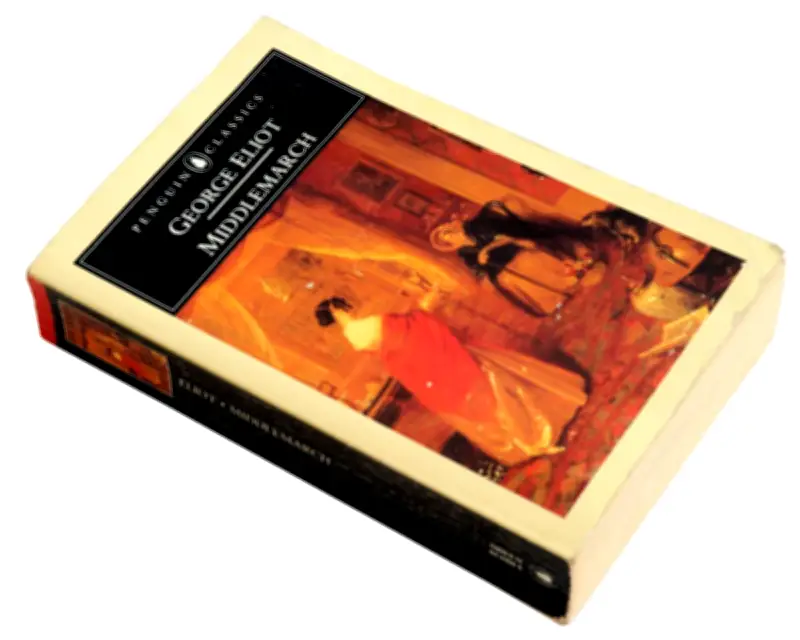
Middlemarch and Audiobooks
Malcolm Bellamy from Market Deeping, Lincolnshire, writes: “I have tried to read Middlemarch three times this year, giving up each time because I have found the long sentences and descriptions affect my concentration. I am a retired headteacher and believe myself to be literate but, like everyone else, I have become prey to short articles and numerous emails. I was so pleased to see Jones state that we cannot be snobbish about audiobooks. I am presently on chapter 3 of Middlemarch, read brilliantly by Juliet Stevenson, and hope to finally reach the end. After this I can try a few more classics on the Guardian’s list.”
Tristram Shandy: One Chapter at a Time
Roger Osborne from Snainton, North Yorkshire, offers advice for tackling Laurence Sterne’s Tristram Shandy: “Laurence Sterne would surely have been thrilled by Ioan Marc Jones’s description of Tristram Shandy as ‘inexcusable’. A tip for readers wanting to get into this wildly funny book: do not attempt to read it continuously. There are hundreds of chapters; read one, and only one, chapter each night before sleep. Within a few days you will enter the bizarre and bountiful world of Shandy Hall and life will never seem the same.”

Reading Dickens Aloud
Roz Connery from West Bridgford, Nottinghamshire, shares her group’s method: “I was sorry to read of Ioan Marc Jones’s difficulty with Dickens’s novels. I belong to the Dickens Fellowship, and each year our group votes for a Dickens novel which we read out loud together, with different members taking on each character. The many benefits of this include better concentration, new insights and a huge amount of fun.”
These letters highlight that there are many paths to enjoying classic literature, from audiobooks to serial reading and group performances.