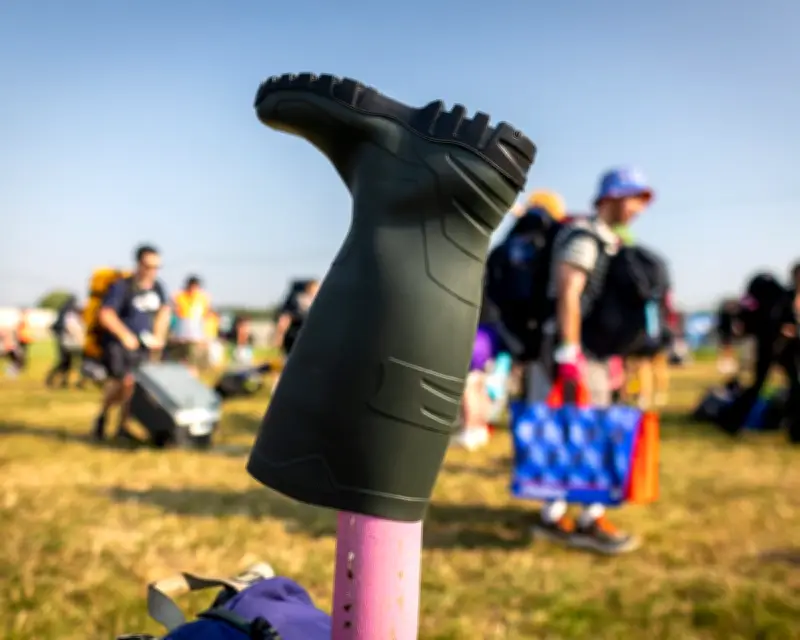
Glastonbury Festival will not take place in 2026, organisers have confirmed, marking the first fallow year since 2018. The decision, announced by Michael Eavis and Emily Eavis, aims to give the land a rest and allow the team to plan for the future.
Why a Fallow Year?
The fallow year is a tradition at Glastonbury, held every five years to let the farmland recover and to give organisers a break. The 2026 edition will be the 11th fallow year since the festival began in 1970. According to Emily Eavis, “It’s a chance to step back, reflect on what we’ve achieved, and think about how we can improve the festival for the future.”
Impact on the Festival Community
The announcement has been met with mixed reactions from fans. Many understand the need for a break, but some are disappointed, especially after the 2020 and 2021 cancellations due to the pandemic. The 2025 festival is expected to sell out quickly, with many planning to attend as it will be the last chance until 2027.

Organisers have also hinted at potential changes for the 2027 edition, including new stages and sustainability initiatives. The fallow year will allow for major infrastructure upgrades without disrupting the festival.
Economic and Cultural Significance
Glastonbury contributes an estimated £100 million to the local economy each year. The fallow year will impact local businesses, but many see it as necessary for the long-term health of the festival. Michael Eavis said, “The land needs a rest, and so do we. It’s part of what makes Glastonbury special.”
The festival’s fallow year also aligns with a broader cultural trend of slowing down and prioritising sustainability. Other major festivals have considered similar breaks, but Glastonbury remains unique in its commitment to this tradition.