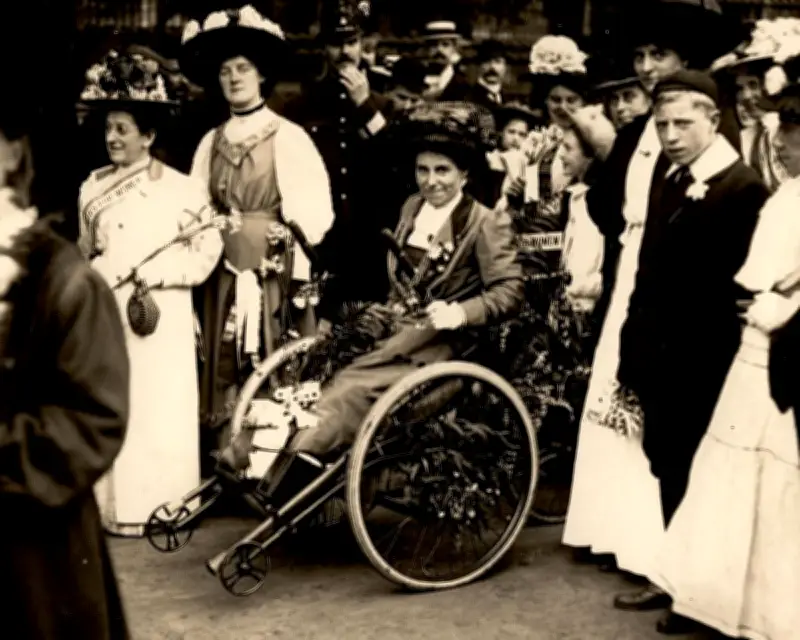
David Turner's new book, 'Disability', is being hailed as a revelatory new history that fundamentally reshapes our understanding of disability and its place in society. The book, published this month, offers a sweeping narrative that spans centuries and continents, uncovering the often overlooked experiences of disabled individuals.
Challenging Historical Narratives
Turner, a historian at the University of Cambridge, argues that disability has been a central but ignored force in shaping human history. He challenges the traditional view that disability is a personal tragedy or medical problem, instead presenting it as a social and cultural construct that has evolved over time.
The book examines how disabled people have been treated in different eras, from ancient times to the present day. Turner draws on a wide range of sources, including personal diaries, court records, and visual art, to bring these stories to life.

Key Themes and Insights
- Disability and War: Turner explores how wars have both created disabilities and shaped attitudes towards them. He highlights the role of disabled veterans in advocating for rights and recognition.
- Institutionalization: The book examines the rise of institutions for disabled people in the 19th and 20th centuries, revealing the often harsh conditions and the resistance movements that emerged.
- Disability Rights Movement: Turner traces the emergence of the disability rights movement, emphasizing the activism of disabled people themselves in demanding equality and inclusion.
Revelatory Perspectives
One of the most striking aspects of 'Disability' is its focus on the agency and creativity of disabled people. Turner shows how disabled individuals have not only survived but thrived, developing unique cultures and communities. He also highlights the contributions of disabled people to art, literature, science, and politics.
The book has been praised for its accessible writing style and its ability to make complex historical ideas understandable. Critics have noted that it fills a significant gap in historical scholarship and is likely to become a standard text in disability studies.
Critical Reception
Early reviews have been overwhelmingly positive. The Guardian's reviewer called it 'a masterful work that will change the way you see the world.' The New York Times described it as 'essential reading for anyone interested in history, social justice, or the human condition.'
Turner's book arrives at a time when disability issues are gaining increased attention globally. With the COVID-19 pandemic highlighting the vulnerabilities and resilience of disabled people, 'Disability' offers a timely perspective on the long struggle for rights and recognition.
Conclusion
'Disability' by David Turner is a revelatory new history that promises to reshape our understanding of disability. It is a must-read for anyone seeking to comprehend the full scope of human experience.