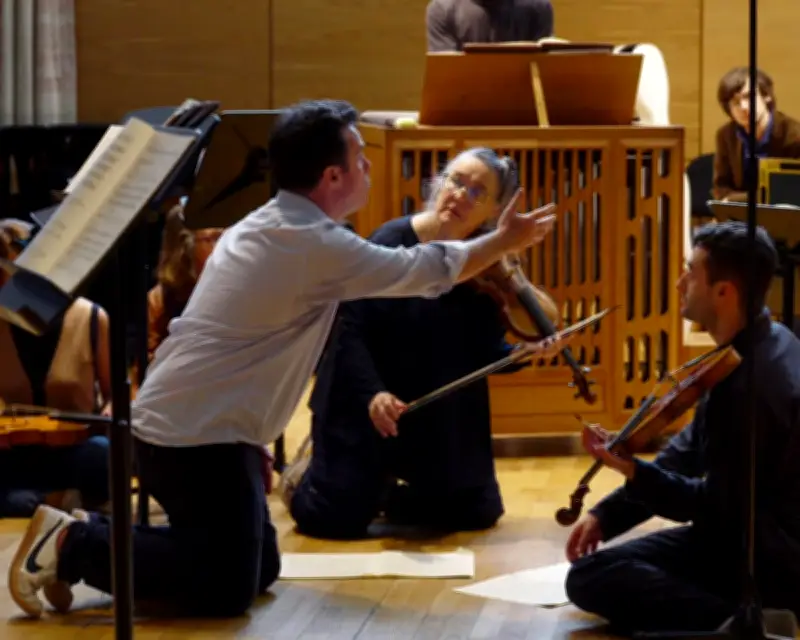
In her latest book, Faultless: Returning Music to Our Bodies, music historian Bettina Varwig argues that contemporary Western music has become overly intellectualized, stripping away the physical, emotional, and communal dimensions that once made it a visceral experience. Published by Cambridge University Press, the work challenges readers to reconsider how music is performed, heard, and felt.
The Disembodiment of Modern Music
Varwig contends that from the 19th century onward, music has been increasingly treated as a purely auditory art form, divorced from the body. She points to the rise of silent concert halls, the dominance of recorded music, and the emphasis on technical perfection as evidence of this shift. According to Varwig, this has led to a loss of the spontaneous, participatory, and often messy nature of music-making that characterized earlier eras. She notes that in many historical contexts, music was inseparable from dance, ritual, and communal celebration.
Historical Perspectives on Embodied Music
The book delves into Renaissance and Baroque practices, where musicians and listeners alike moved, danced, and even wept openly during performances. Varwig draws on treatises from the 16th and 17th centuries that describe music's power to stir the humors and affect the body directly. She highlights how composers like Monteverdi and Schütz crafted works intended to produce physical reactions, a tradition she believes has been largely forgotten. “We have sanitized music, turned it into something for the mind alone,” Varwig writes. “But our bodies remember what music can do.”

Implications for Performance and Listening
Varwig calls for a re-embodiment of musical practice, encouraging performers to embrace gesture, movement, and even imperfection. She suggests that audiences might benefit from more active listening environments, perhaps standing, swaying, or responding vocally. The book also critiques the modern obsession with flawless recordings, arguing that they erase the human element. “A faultless performance is often a lifeless one,” Varwig states. “We need to welcome back the crack, the breath, the unexpected.”
Reception and Impact
Early reviews have praised Faultless for its provocative yet scholarly approach. Music critic Alex Ross called it “a vital corrective to the sterile academism that has gripped classical music.” The book has sparked discussions in conservatories and among early music ensembles about reviving more embodied performance styles. Varwig, a professor at the University of Cambridge, will be discussing her ideas at upcoming festivals and workshops, aiming to bridge the gap between historical research and contemporary practice.