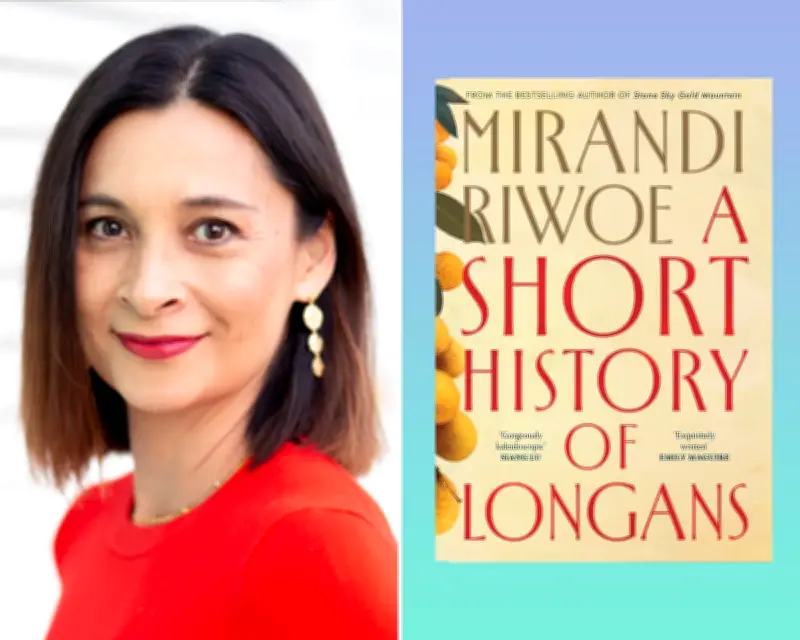
Mirani Riwoe's latest novel, A Short History of Longans, is a sweeping family saga that traces the lives of the Hartono family from colonial Indonesia to contemporary Australia. The story begins in 1890s Java, where the matriarch, Nenek, presides over a household steeped in tradition and secrets. Riwoe masterfully shifts perspectives across generations, exploring how the family's past shapes their present.
A Multi-Generational Narrative
The novel opens with Nenek's granddaughter, Maya, discovering a box of old photographs in her grandmother's attic in Melbourne. This triggers a journey into the family's history, revealing stories of love, loss, and resilience. Riwoe uses the longan fruit as a recurring motif, symbolizing both the sweetness of memory and the bitterness of displacement. The narrative moves between Dutch colonial rule, the Japanese occupation, and the turmoil of Indonesia's independence, before settling in suburban Australia.
Characters and Themes
Key characters include Nenek, whose fierce determination holds the family together; her daughter, Sari, who struggles with her identity as a Chinese-Indonesian in a changing world; and Maya, who must reconcile her Australian upbringing with her heritage. Riwoe explores themes of diaspora, cultural hybridity, and the silences that haunt families. The novel is particularly poignant in its depiction of how historical trauma is passed down through generations.

Critical Reception
Riwoe's prose has been praised for its lyrical quality and emotional depth. According to a review in The Sydney Morning Herald, “Riwoe writes with a tenderness that makes the reader feel every pang of longing and loss.” The novel has been shortlisted for the Stella Prize, cementing Riwoe's reputation as a significant voice in Australian literature. Critics have noted the intricate structure, with each chapter focusing on a different family member, creating a mosaic of perspectives.
Conclusion
A Short History of Longans is a compelling exploration of identity and belonging. Riwoe's ability to weave personal stories with historical events makes this novel a must-read for those interested in the immigrant experience. The book leaves readers reflecting on the ways we carry our ancestors' stories within us, and how the past is never truly past.