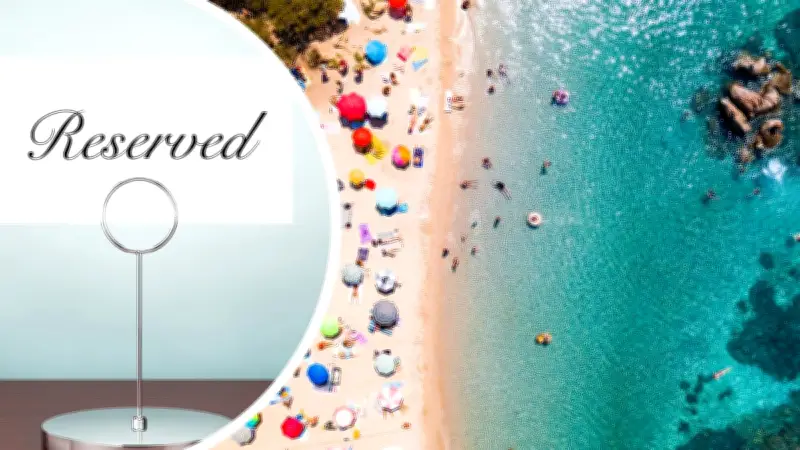
Australians planning a European summer holiday may need to reconsider their itineraries, as some of Italy's most famous beaches now require reservations made months in advance. Pelosa beach in Sardinia, for instance, is fully booked until September 12, leaving latecomers without a spot.
Booking Systems Spread Across Italy
More than 20 of Italy's most spectacular beaches have implemented booking systems to limit visitor numbers, a trend that is gaining momentum. The measures come as tourist numbers in Italy reach record highs, with residents growing frustrated over litter, dune erosion, and wildlife disturbance caused by visitors.
According to Australian Bureau of Statistics data, around 300,000 Australians travel to Italy each year, and that number continues to grow.

Cala Goloritzé: A Hidden Gem No More
Cala Goloritzé, a beautiful sandy cove with transparent waters, was once free from crowds due to the 90-minute trek through woods required to reach it. However, social media travel videos promoting "hidden gems" have led to an influx of tourists. Local authorities now enforce a daily cap of 250 beachgoers, who must reserve their spot in advance.
Mayor: Capping Visitors Inevitable
Daniele Silvetti, the mayor of Ancona on Italy's east coast, told The Times: "Overtourism makes this inevitable — if you want to save these beaches and avoid closing them to the public you have got to cap the number of visitors."
The result is that beaches are being booked up faster than trendy restaurants or concert tours. Sardinia capped visitors to Pelosa beach at 1,500 per day, and spots filled up for months ahead within days. On the island of Lampedusa, the famous Spiaggia dei Conigli beach is fully booked for the entire summer season.
Encouraging Exploration of Lesser-Known Beaches
Authorities hope that capped reservations will encourage visitors to avoid famous spots and explore lesser-known beaches where numbers are not capped. The number of tourists visiting Italy reached over 180 million in 2025, according to travel website Trip By Trip, with projections estimating that figure will grow to 260 million by 2030.