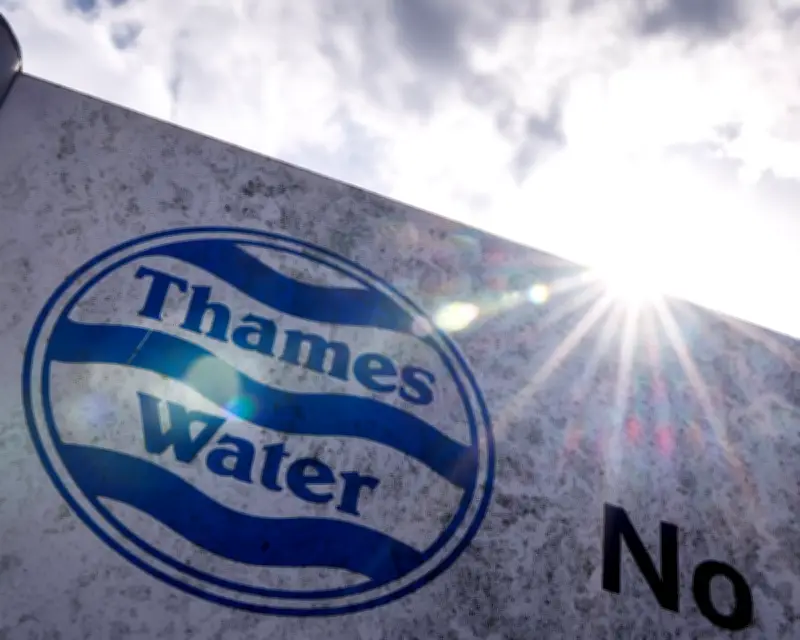
The tide is turning on Thames Water, with the UK government reportedly preparing for the company's special administration. The move comes as the utility's debt crisis deepens, and analysts say it may be the best option for the company.
Background
Thames Water, which serves 15 million customers in London and the Thames Valley, has been struggling with a debt pile of £14 billion. The company has been hit by higher borrowing costs and regulatory pressure to invest in infrastructure. In recent months, it has been in talks with creditors to restructure its debt, but progress has been slow.
Special Administration
Special administration is a process under the UK's Water Industry Act 1991, designed to ensure that water services continue if a company becomes insolvent. It would involve the government appointing an administrator to run the company, with the aim of selling it as a going concern. The process would protect customers from disruption, but shareholders would likely be wiped out.

Government Position
The government has been monitoring the situation closely. Business Secretary Kwasi Kwarteng said last week that the government would not bail out Thames Water, but would ensure that services continue. Reports suggest that officials are now drawing up plans for special administration, which could be triggered if the company fails to secure a debt restructuring deal.
Industry Reaction
Analysts have broadly welcomed the prospect of special administration. Jonathan Ford, a water industry analyst, said: 'Special administration is the most orderly way to resolve Thames Water's problems. It would allow the company to be restructured without disrupting services.' However, some have warned that it could damage investor confidence in the UK water sector.
Next Steps
Thames Water is due to publish its annual results next month, which could provide a clearer picture of its financial position. In the meantime, the company is continuing to negotiate with creditors. If a deal is not reached, the government may have no choice but to step in.
The situation is a stark reminder of the challenges facing the UK's water industry, which is grappling with aging infrastructure, climate change, and rising costs. Thames Water's problems have been compounded by its high level of debt, which has left it vulnerable to rising interest rates.
Conclusion
As the tide turns on Thames Water, special administration looks increasingly likely. It may be the best option for the company, its customers, and the wider industry. The government's willingness to intervene shows that it is serious about ensuring the continuity of water services, even if it means taking control of a major utility.