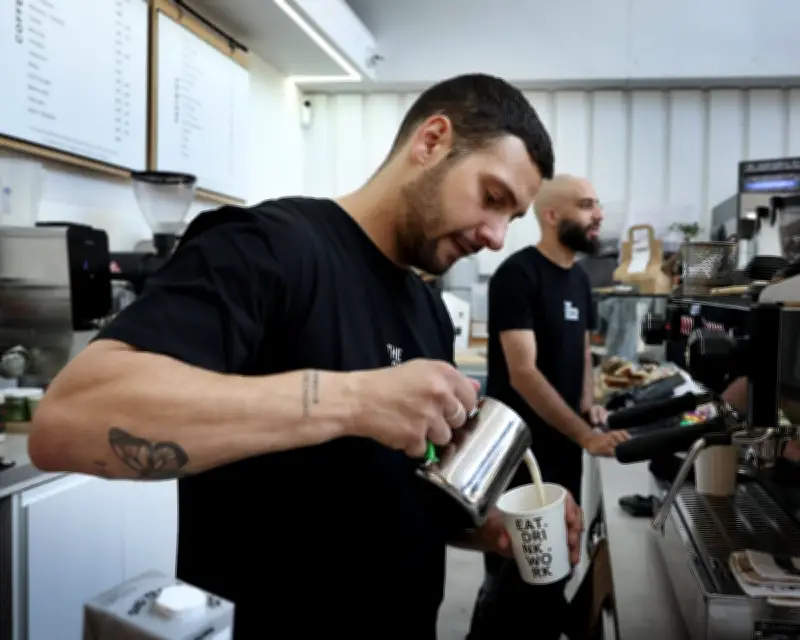
A small Melbourne cafe is facing a legal battle with a major restaurant chain over the use of the slogan 'Eat Drink Work.' The chain, which operates multiple venues across Australia, claims the phrase infringes on its trademark and has demanded the cafe cease using it immediately.
Details of the Dispute
The cafe, located in the inner-city suburb of Fitzroy, has been using the slogan on its signage, menus, and social media for the past two years. The restaurant chain, which registered 'Eat Drink Work' as a trademark in 2020, argues that the cafe's use of the phrase could cause confusion among customers and dilute the brand's value.
According to legal documents filed in the Federal Court, the chain is seeking an injunction to prevent the cafe from using the slogan, as well as damages for alleged trademark infringement. The cafe's owner, who declined to be named, expressed surprise at the lawsuit, stating that the phrase was intended to reflect the cafe's laid-back atmosphere where customers can eat, drink, and work remotely.

Impact on the Cafe
The legal battle has already taken a toll on the small business. The owner estimates that legal fees could exceed $50,000, a significant sum for a cafe with annual revenue of around $300,000. "We're just a small cafe trying to make a living. We never intended to step on anyone's toes," the owner said. "This is a David and Goliath situation, and we hope to resolve it amicably."
The cafe has launched a crowdfunding campaign to help cover legal costs, raising over $10,000 in the first week. Supporters have rallied behind the business, with many taking to social media to criticize the chain's actions as heavy-handed.
Broader Implications
The case highlights the challenges small businesses face in navigating trademark law. Intellectual property experts say that while large companies have a right to protect their brands, the enforcement can sometimes be disproportionate. "Trademark law is designed to prevent consumer confusion, but it's also used as a tool by big companies to squeeze out smaller competitors," said Dr. Sarah Thompson, a trademark law specialist at the University of Melbourne.
The restaurant chain, which has more than 50 locations nationwide, declined to comment on the ongoing litigation. However, in a statement, it said it "takes its intellectual property rights seriously and will take appropriate action to protect its brand."
What's Next?
The case is expected to be heard in court later this year. In the meantime, the cafe continues to operate under the slogan, though it has prepared alternative branding in case the court rules against it. "We're hopeful we can find a solution that works for everyone," the owner said. "But if we have to change our name, we will. It's just a phrase, after all."