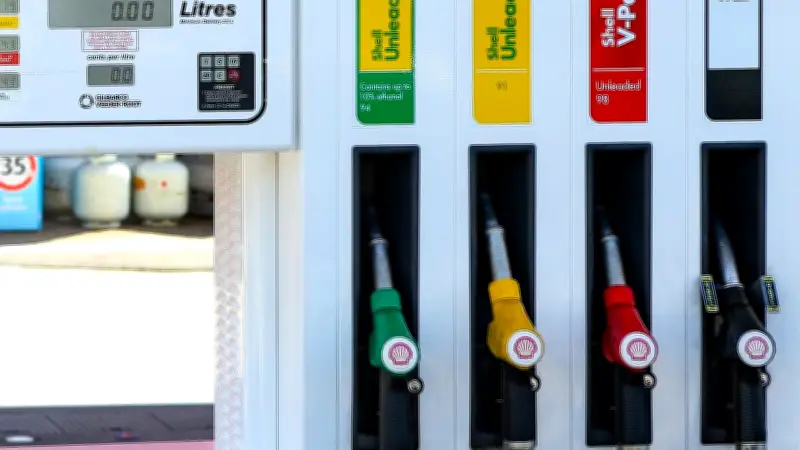
Australians should expect the temporary fuel tax cut to end later this month, Transport Minister Catherine King says, despite ongoing military escalations in the Middle East. The halving of the fuel excise took effect on April 1 and is set to expire on June 30. It has reduced the price of fuel by 26.3 cents per litre while costing the federal budget $2.9 billion.
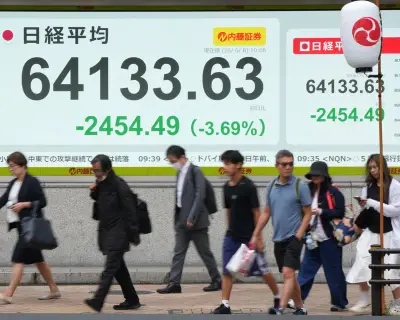
The measure was designed to provide Australians relief from the impact of global energy shocks triggered by the US and Israel’s war on Iran that resulted in Tehran’s effective closure of the Strait of Hormuz. About a fifth of the world’s oil supply travels through this maritime shipping route, and its closure has sparked a global energy crisis.
Despite an April ceasefire, regional tensions have flared in recent days, with Israel and Iran exchanging fire across their respective borders. Overnight, the US also targeted Iranian ports along the Strait of Hormuz in retaliation for the downing of an Apache helicopter off the coast of Oman.

Minister Urges Diplomacy but Warns on Fuel Excise
On Wednesday, Ms King urged a diplomatic solution to the conflict but warned the fuel excise may not be extended, even in light of these developments. “Obviously, we are doing everything we can to shield Australians from this conflict in the Middle East, but people should, at this stage, expect that it’s coming off at the end of June,” she told the ABC.
Prime Minister Anthony Albanese, appearing a short time later on the same program, said the government had yet to make a decision on an extension. “We’ll make the assessment … This is a volatile global environment,” he said.
Government Defends Its Efforts
Mr Albanese insisted the government had done its best to protect Australians from the impacts of the war, saying: “I think we’ve achieved better than most considered.” He conceded there had been a “considerable cost” to securing fuel supplies through the government’s Export Finance Australia underwriting scheme but added it had been “very effective” in directing supplies where needed.
“We have more fuel in Australia today than we had on February 28, and that’s a direct result of the relationships that we’ve built but also the structures that we’re put in place as well,” he said. “Bear in mind, there’s been a considerable cost of that. We’re underwriting through Export Finance Australia the import of fuel and for those spot purchases to occur. But that’s been very effective in making sure our farmers can continue to plant with confidence and making sure that people can go around and diesel can be used to deliver groceries on the supermarket shelves.”