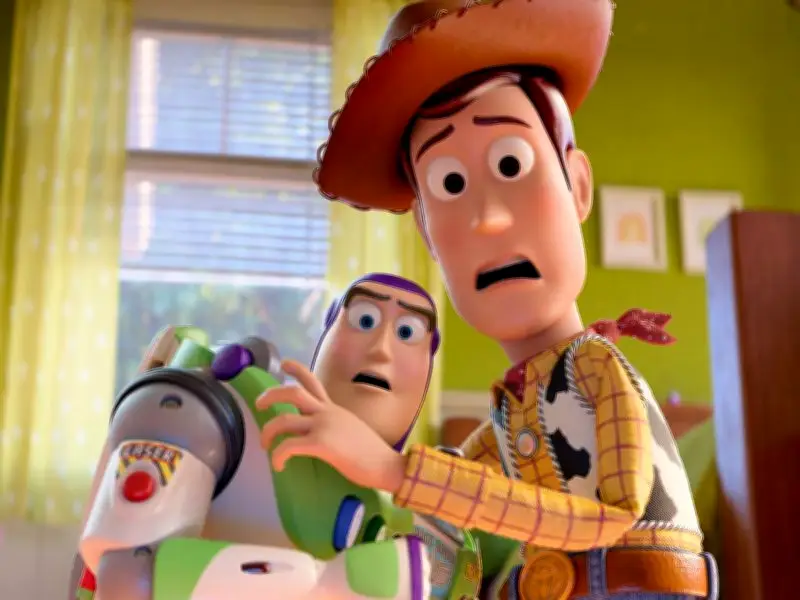
Fears that technology will trigger the demise of traditional playtime may be overblown, with toy sales surging and one expert arguing modern digital devices can be used in tandem with figurines, dolls and gadgets to expand, not restrict, our imagination.
Toy Story 5 Taps into Modern Anxiety
Toy Story 5 has been raking it in at the box office off the back of a story exploring the relevance of old-school playthings in an era increasingly dominated by screens. Buzz Lightyear, Jessie, Woody and co find themselves down the pecking order as a tablet — with its digital games and chatrooms — soaks up all the attention of their “kid”, Bonnie, who yearns for friends.
“Toy Story 5 taps into a very real, modern anxiety for parents: the fear that tablets and smart devices are replacing the simple, imaginative magic of traditional toys and play that many of us associate with our own childhoods,” Monash University’s School of Educational Psychology and Inclusion Professor Lisa Kervin said.

Expert: Age of Toys ‘Absolutely Not Over’
“The age of toys is over” is a cry the outcast dolls make several times early in the film. In reality, Kervin, a mother herself, said it is “absolutely not over” and argued there is enormous benefit in children playing “with a range of toys and technology”.
The researcher said physical toys “provide tactile, spatial experiences”, while digital media can “introduce opportunities otherwise not possible”. One example she offered is that a child might use a physical action figure to act out a story, and then use a tablet to record a movie or design a digital landscape for that character.
“This isn’t the death of imagination; it is an expansion of it, with opportunity to produce new and exciting play scenarios,” she said.
Balance Needed in Tech Use
But Kervin said there is a balance that needs to be struck. “When children are using technology, it is important that they are accessing quality,” she said. “Digital technology is most powerful in children’s lives when it offers something that otherwise might not be possible — the opportunity to connect with a loved one far away, or the opportunity to follow an interest and access video and information about that, the opportunity to visit somewhere they haven’t been before, or the opportunity to create something. We don’t want children using digital technologies as a substitution for things that could be better done without the tech.”
Global Toy Market Worth $123 Billion
The numbers suggest toy sales globally are surging. Circana research from June highlights the worldwide toy market grew 8 per cent in 2025, with annual sales reaching $123 billion.
“The toy industry is not just growing – it’s transforming,” said Frederique Tutt, Circana’s global toys industry adviser. “Play is expanded beyond childhood into a form of entertainment, creativity, and connection for all ages. The result is new demand across age groups and geographies, creating a more dynamic and resilient global toy market.”
Future of the Toy Industry
Children under 10 years old account for more than 65 per cent of toy sales across the world. But older consumers are chipping into that, with growth coming in people aged 15 and older. Demand for collectibles, nostalgia-led purchases, and hobby-based play experiences is driving demand among teens and adults.
“The future of the toy industry will be defined by how well brands adapt to a broader, more fluid definition of play,” Tutt said. “Success comes from balancing innovation with meaningful engagement — without losing sight of the joy and imagination which are the industry’s superpowers in the first place. As more forms of entertainment compete for time and attention, play isn’t becoming less relevant — it’s becoming essential.”