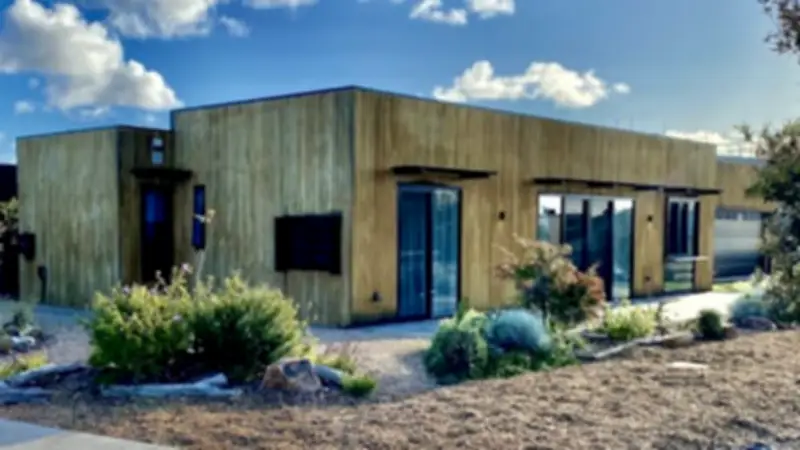
A new study has found that incorporating sustainability features into new homes can yield developers an average 18% return on investment, challenging the long-held belief that green building is too expensive and unprofitable. The research, conducted through the Business Case for Sustainability program, analyzed financial data from 30 completed build-to-sell developments and industry reports covering over 500 homes across Victoria, New South Wales, South Australia, Tasmania, and Western Australia.
Developers Profit from Green Features
The study directly tested the common objection that financial benefits of sustainable housing go to homeowners, not developers. It found that developers who embedded sustainability features from the design stage were able to charge a price premium at sale that exceeded the upfront cost. For every dollar spent on greener features, the benefit to the developer was $1.18, resulting in an average 18% return on investment.
These findings contradict the industry's traditional reluctance to include features such as solar panels, battery storage, double-glazed windows, proper insulation, and better ventilation. Builders and developers have often treated sustainable homes as too niche and unprofitable, leading to homes that underperform on energy efficiency and comfort.

Financial Benefits for Homeowners
Homeowners also stand to gain significantly. Retrofitting sustainable features after construction is often more costly than including them during initial building. The study notes that one analysis of 20 building projects showed the average cost of meeting energy-efficiency targets for apartments was $6,547 per dwelling, while potential gains for owners were $21,000 in the first 12 months.
"Our research reveals developers could actually make a bigger profit than they do now from new home builds that include more sustainability features," the authors stated. "Building green from the start is not just the right thing to do environmentally. The numbers say it is the right thing to do financially too."
Green Measures Analyzed
The study examined a range of sustainability initiatives, including solar panels, battery storage systems, correct building orientation for passive heating and cooling, better water use, proper insulation, double-glazed windows, and greener building materials such as recycled aggregate and renewable timber. Some measures, like avoiding gas-pipe installation, generate immediate cost savings for developers and eliminate ongoing gas costs for buyers.
Market Signals and Future Implications
Major real estate listing platforms have introduced sustainability filters, allowing buyers to search for eco-friendly homes and compare them directly with standard homes. This makes the green premium visible and measurable. With Australia aiming to build 1.2 million new homes over five years, the decisions made at the design stage will determine energy performance, comfort, and running costs for decades.
"Developers, in addition to long-term owners, do benefit financially from going green," the research concludes. The study is ongoing, but the direction is clear: sustainable housing offers better returns for developers in the short term and lower living costs for homeowners in the long term.