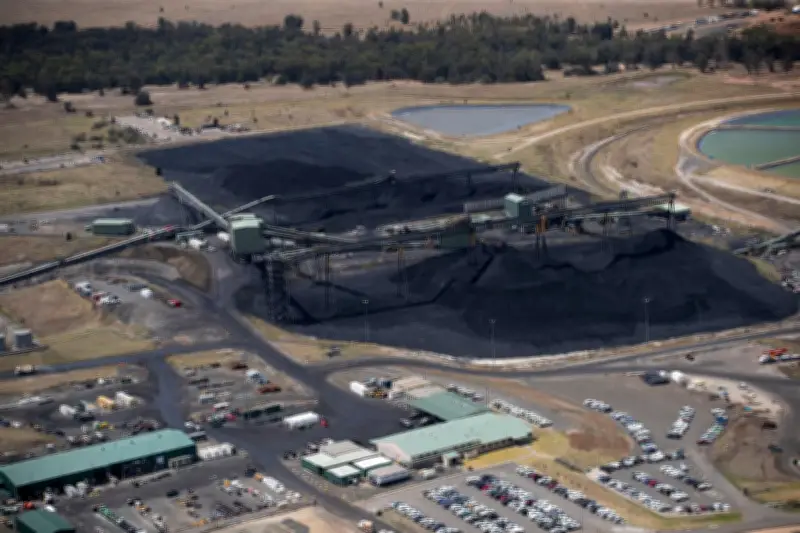
AustralianSuper, the nation's largest superannuation fund, has defended its $1.5 billion investment in coal assets, arguing that the holdings are consistent with its long-term net-zero pledge. The fund's stance has drawn sharp criticism from climate activists and some members who accuse it of greenwashing.
Coal holdings under scrutiny
The fund's coal exposure includes stakes in Whitehaven Coal and Glencore, among others. According to AustralianSuper's 2025 annual report, coal-related investments account for approximately 1.2% of its total portfolio. The fund has committed to achieving net-zero emissions by 2050 and has set interim targets for 2030.
Chief investment officer Mark Delaney said the fund is engaging with coal companies to transition their operations. “We believe that engagement, not divestment, is the most effective way to drive real-world emissions reductions,” he said. “Simply selling these assets would not reduce global emissions; it would only transfer ownership to less responsible investors.”

Members push for divestment
However, a growing number of members are calling for the fund to exit coal entirely. A petition launched by Market Forces has gathered over 12,000 signatures from AustralianSuper members demanding full divestment from fossil fuels. “AustralianSuper's net-zero pledge is meaningless if it continues to pour money into coal,” said Pablo Brait, campaign manager at Market Forces. “Members want their retirement savings to be invested in a sustainable future, not in the very industries driving climate change.”
The fund has also faced legal challenges. In 2025, a group of members filed a lawsuit alleging that AustralianSuper's coal investments violate its fiduciary duty by exposing the fund to climate-related financial risks. The case is ongoing.
Industry-wide debate
The controversy reflects a broader debate across the superannuation industry about the role of fossil fuels in investment portfolios. While some funds like HESTA and UniSuper have committed to full divestment from coal, others, including AustralianSuper and Hostplus, favor an engagement approach.
AustralianSuper's net-zero plan includes a 30% reduction in portfolio emissions by 2030, based on 2022 levels. The fund says it is on track to meet this target, partly due to its engagement with coal companies to diversify into renewables. However, critics argue that the fund's continued investment in coal expansion projects—such as Whitehaven's new coal mine in Queensland—undermines its climate commitments.
“You cannot claim to be a climate leader while bankrolling new coal mines,” said Brait. “Every dollar invested in coal expansion is a dollar that should be going into renewable energy.”
Financial performance vs climate action
AustralianSuper has also pointed to the strong financial performance of its coal investments. The fund reported a 9.2% return for the 2024-25 financial year, with coal assets contributing significantly. Delaney argued that divesting from profitable sectors would harm members' retirement savings. “Our primary duty is to maximize returns for our members,” he said. “We cannot sacrifice financial performance for ideological purity.”
But climate activists counter that the long-term financial risks of climate change—including regulatory changes, carbon taxes, and stranded assets—outweigh short-term gains. A 2024 report by the Australian Prudential Regulation Authority warned that super funds face “material” financial risks from climate change if they fail to adjust their portfolios.
What's next for AustralianSuper?
The fund is expected to release an updated climate strategy later this year, which may include stronger targets for reducing exposure to thermal coal. In the meantime, the pressure from members and activists shows no signs of abating. The outcome of the lawsuit could set a precedent for how super funds balance their climate pledges with investment returns.
As the debate continues, AustralianSuper remains one of the largest investors in coal among Australian super funds, with its decisions closely watched by the industry and environmental groups alike.