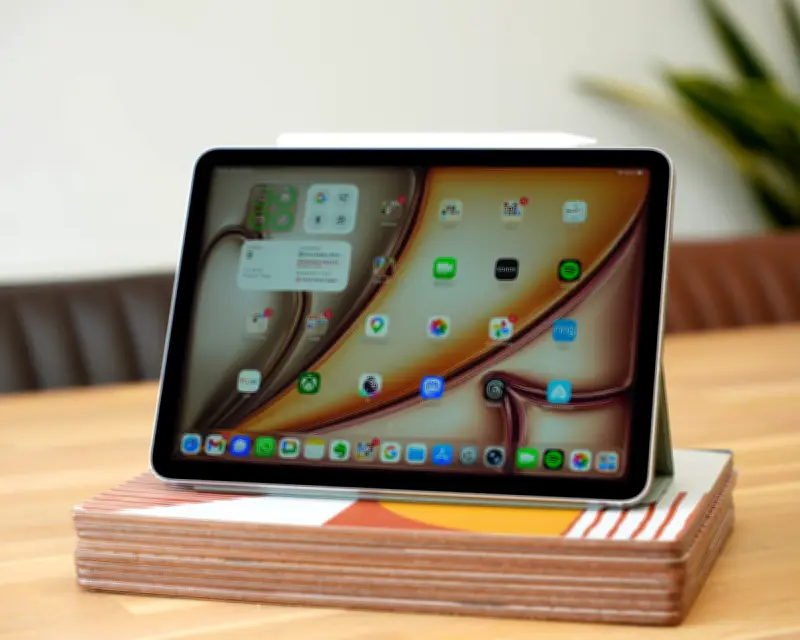
Australians woke up on Friday to higher prices for MacBooks and iPads after Apple implemented a global price increase, attributing the move to an AI-driven cost crunch for computer parts. The price hikes range from 20% to 25% on various models, with the MacBook Air 13-inch now starting at $2,099, up from $1,799, and the iPad base model rising from $599 to $749.
Apple's Price Increases Across the Board
The iPhone range was unaffected, but experts predict Apple will raise prices for its flagship product later this year. The MacBook Pro 14-inch now starts at $3,199, up from its previous price. The smaller MacBook Neo, which launched in Australia in March at $899, now starts at $1,049. Apple had previously touted the Neo as its "most affordable laptop ever."
The iPad mini now starts at $949, up from $799; the iPad Air at $1,249, up from $999; and the iPad Pro at $1,999, up from $1,699. The iMac desktop now starts at $2,399, and the Mac Studio at $4,299.

Retailers Yet to Pass on Increases
Australian retailers have not yet passed on the price increase. Officeworks’ prices were unchanged on Friday morning, while JB Hi-Fi promoted Apple deals with sales on the MacBook Air 13-inch at $1,597, MacBook Pro 14-inch at $2,797, and the iPad at $495. JB Hi-Fi CEO Nick Wells had warned in February that rising demand for computer chips due to AI and increased computing power would push up device costs, leading to 20% price rises for PCs and potential hikes for phones.
Apple and Microsoft Cite Component Cost Surge
Apple said it had absorbed rising computer part costs but had reached a point where it had to raise prices. "We have never seen a component price increase this much, this quickly," Apple said in a statement. Its share price fell 6.15% on Thursday, wiping US$250 billion from its market value to close at US$4.04 trillion.
Microsoft also announced on Thursday that it would lift Xbox console prices by US$100 (A$145) for 512 GB models and US$150 (A$218) for 1 TB models, and cease selling the 2 TB model. In a statement, the company said storage and memory prices had nearly tripled and were set to double again by late 2027. "We hoped another price increase would not be necessary, and we have spent the last several months working with suppliers on options," Microsoft said.
Industry-Wide Impact of Memory Shortage
Datacentres consume significant quantities of memory chips, and booming development has led to a shortage dubbed "RAMageddon." An International Data Corporation analyst, Soo Kyoum Kim, warned in a note on Monday that the shortage is permanently rewriting the economics of consumer device production. "The real question is whether the product economics of affordable devices can be rebuilt around structurally higher memory costs, or whether product mix and prices shift permanently upward," Kim said.