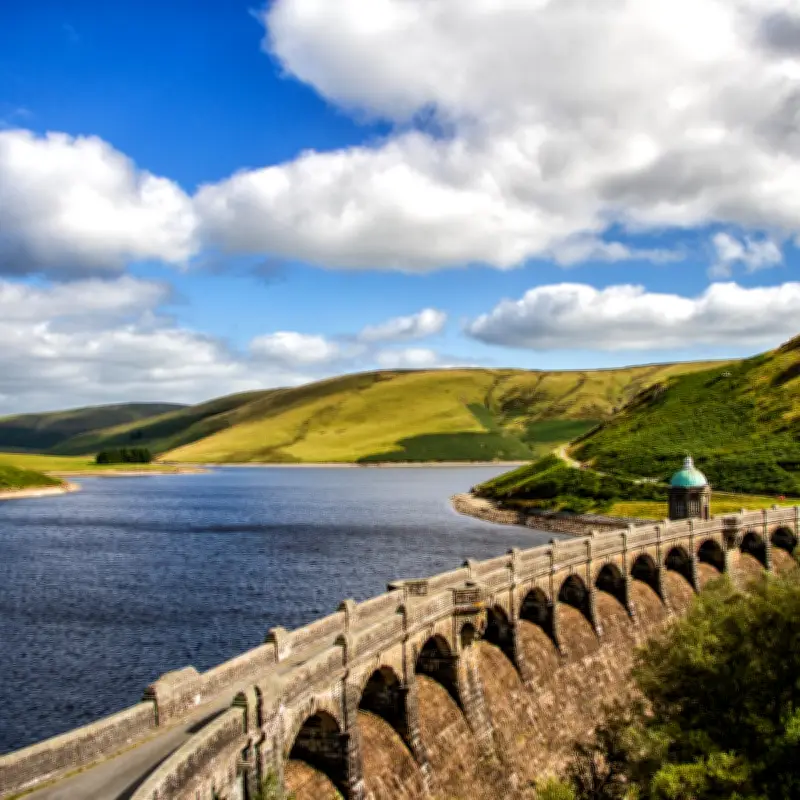
Welsh Water, serving 3 million people, converted to not-for-profit status in 2001 after a complex corporate saga. It has no shareholders and reinvests surpluses into keeping bills down and protecting the environment. However, after nearly 25 years without dividend-hungry shareholders, its performance is not exemplary. Customer trust metrics are high, but bills and sewage spills are middling compared to the industry average.
Performance Under Not-for-Profit Model
Welsh Water recently received a £44.7m enforcement package from Ofwat for “serious and unacceptable breaches” in operating sewage plants, resulting in excessive spills. As a percentage of turnover, this penalty was 7.5%, at the high end among water companies. Bills average £683 annually, above the industry average, while Severn Trent-owned Hafren Dyfrdwy charges £48 less. While a sample size of one is small, Welsh Water demonstrates that ownership change alone does not solve sector issues; factors like capital access, operational efficiency, technical skill, management accountability, and regulatory rigor matter.
Burnham's Nationalisation Push
Andy Burnham calls for “stronger public control” over water and energy but remains vague on details. His only specific commitment is nationalisation of Thames Water, though it's unclear if he means full permanent nationalisation or special administration with a potential return to the private sector. For non-Thames companies, he advocates a 10-year plan for more public control, acknowledging that nationalising everything immediately is “complicated and expensive.”

Costs and Complications of Nationalisation
Nationalising Thames could be cheap due to creditor weakness, but solvent companies like United Utilities and Severn Trent are valued at nearly £10bn each, plus borrowings. Adding energy networks like National Grid (£62bn) and SSE (£29bn) would soar costs. Complications include the ongoing £70bn grid upgrade, where ownership changes could delay clean power goals. Water companies are in catchup mode on infrastructure, and state-managed projects like HS2 show risks of contractor cost overruns. Burnham's bus reorganisation in Manchester is not comparable, as utilities are capital-heavy, unlike the capital-lite Bee Network. Train operator nationalisation cost nothing due to expiring franchises, while water companies own assets with 25-year licences.
Regulatory and Devolution Insights
Sir Jon Cunliffe's Independent Water Commission found no single ownership model universally better, emphasising strong regulation. The clean water bill aims for stronger oversight. Burnham could inject more local direction via devolution, as the commission praised Greater Manchester Combined Authority's role in regional water planning. Recommendations include formal “strategic boards” with local political leaders. This could deliver “greater public control” without full ownership, though pure nationalisation advocates may be unsatisfied. Thames remains a separate case, with the not-for-profit model as a possible exit route. Ultimately, Burnham's “stronger public control” may evolve into a stronger role for local authorities in planning and directing the water system, reflecting the tradeoffs Welsh Water exemplifies.