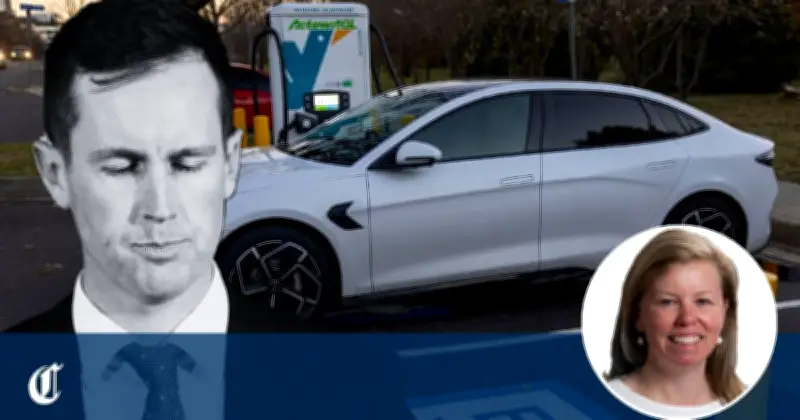
The ACT government's proposal to impose higher taxes on polluting vehicles has been met with criticism from motoring groups and analysts who argue the policy is unlikely to achieve its intended goal of reducing emissions. Megan Doherty, a prominent commentator, has weighed in on the debate, suggesting that the approach is fundamentally flawed.
Why the Policy Misses the Mark
Doherty points out that the tax increase targets the wrong demographic. Many owners of high-emission vehicles are either enthusiasts who are willing to pay the extra cost or individuals who rely on their vehicles for work, such as tradies or farmers. These groups are unlikely to switch to cleaner alternatives simply because of a tax hike.
Furthermore, the policy fails to address the lack of affordable and practical zero-emission alternatives for certain use cases. For example, electric utes and heavy-duty vehicles are still in their infancy, and charging infrastructure remains inadequate in many parts of the ACT and surrounding regions.

Economic and Social Implications
The higher taxes could disproportionately affect low-income households who cannot afford to upgrade to newer, cleaner vehicles. This could lead to increased cost-of-living pressures without a corresponding environmental benefit.
Doherty also notes that the policy may simply push owners to register their vehicles in neighbouring jurisdictions with lower taxes, undermining the ACT's revenue and emissions goals.
Alternative Approaches
Instead of punitive taxes, Doherty advocates for incentives such as subsidies for electric vehicles, investment in charging infrastructure, and improved public transport options. These measures would encourage voluntary adoption of cleaner vehicles rather than penalizing those who have no viable alternative.
The ACT government has defended its policy as part of a broader strategy to meet its ambitious climate targets. However, critics argue that without complementary measures, the tax will do more harm than good.
As the debate continues, it remains to be seen whether the government will adjust its approach in response to the backlash. For now, many are calling for a more nuanced policy that considers the diverse needs of Canberra's motorists.