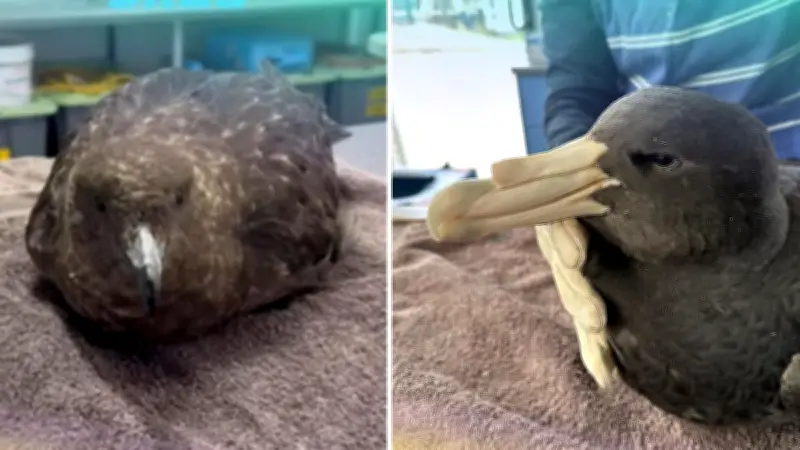
South Australian authorities are investigating three suspected cases of highly pathogenic avian influenza in giant petrels, with one detection on Kangaroo Island raising alarm for the island's endangered Australian sea lion population.
Suspected Cases Detected Across SA Coastline
Two sick petrels were discovered at Emu Bay on Kangaroo Island and at Port Vincent on the Yorke Peninsula. Both returned suspected positive results at Primary Industries and Regions South Australia's (PIRSA) Glenside laboratory on Monday. Samples have now been forwarded to the CSIRO Australian Centre for Disease Preparedness in Geelong for confirmation.
These suspected cases follow a confirmed positive announced on Tuesday in a petrel found at Hardwicke Bay, bringing Australia's total to eight confirmed cases of bird flu.

Kangaroo Island Detection Raises Sea Lion Concerns
Authorities have flagged the Kangaroo Island detection as the most concerning, given the potential impact on the island's endangered sea lion colony. Marine mammal populations have already suffered from the disease, which in late 2025 wiped out 80 per cent of southern elephant seal pups on Heard Island, approximately 2000 kilometres from mainland Australia.
SA Chief Veterinarian Dr Skye Fruean stated that area closures near seal and sea lion populations are "not a consideration at this point in time" and would "only be considered if they were necessary."
"We're obviously concerned about potential impacts of bird flu on sea lions in particular as an endangered species but there's no immediate increase in threat just because we've got this suspect case at Emu Bay," Dr Fruean said. "That threat is all around our coastline through these migratory birds and something we'll be continuing to look for."
Minister Says Cases Appear Isolated
Primary Industries Minister Clare Scriven described the suspected detections as "isolated incidents," noting that surveillance across almost 5000 kilometres of coastline has shown no evidence of widespread impacts.
"If you do see any dead or sick birds or wildlife showing signs of bird flu, do not touch them," Minister Scriven urged. "Please call the EAD hotline and report it to us."
Dr Fruean added that the Hardwicke Bay bird appeared to have contained low levels of bird flu, but the specific strain remains unclear. The bird was euthanised before testing due to the severity of its illness, and surveillance efforts are ongoing.
"We know these birds, these migratory sea birds, can be coming in anywhere along our coastline," Dr Fruean said. "That's why we're doing surveillance along the entire coastline. We're particularly focused on areas where they might be congregating with other birds that are not migratory species, so wetlands, areas like the Coorong for example."
Public Urged to Report Sick Wildlife
The suspected detections come as locals continue to report sick seabirds along South Australia's coast. Anyone who sees sick or dead birds or marine mammals should not handle the animals but report sightings to the Emergency Animal Disease Hotline on 1800 675 888.