Newly published research has confirmed the algae behind South Australia’s long‑running “catastrophic” coastal disaster is the most toxic species of its kind ever studied. Despite the new evidence, the state government is standing firm, saying current public health advice remains unchanged and that the foamy substance seen along the coastline does not pose long‑term health risks to humans.
Bloom Origins and Scale of Mortality
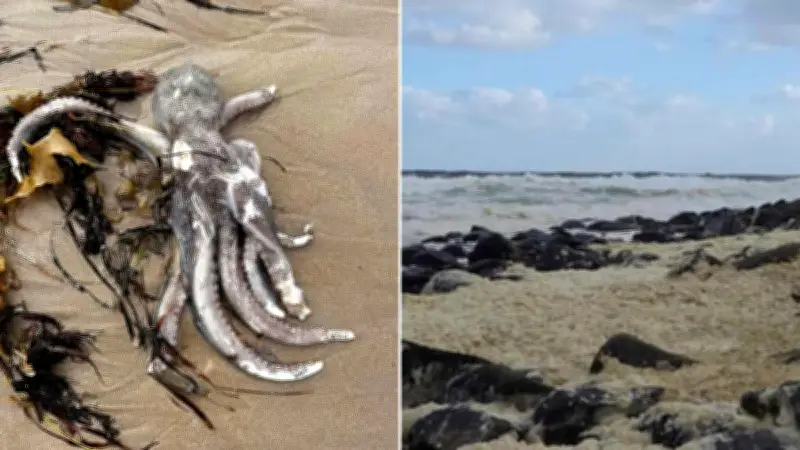
South Australia’s bloom was first noticed when surfers south of Adelaide at Waitpinga reported a thick foam in March 2025, triggering what became one of the largest marine mortality events ever recorded in the state. The bloom went on to kill more than 90,000 fish, dolphins, marine mammals and invertebrates, with dead wildlife washing up from Christies Beach to Henley and Grange as the toxic foam spread along metropolitan shores.
Researchers have now tested laboratory‑grown strains of the algae, along with water samples taken directly from the bloom, and found the species produces “brevetoxins” at levels that exceed anything previously documented in related organisms. Brevetoxin is a naturally occurring toxin produced by certain types of algae. It can affect the nervous system of fish, marine mammals, birds and humans, and may cause breathing problems or illness when contaminated seafood is eaten or toxin-containing sea spray is inhaled.

Research Findings: Unprecedented Potency
One of the researchers, Associate Professor Craig Styan, has revealed the lab results were striking, proving the bloom was extremely potent. “Just a few thousand cells per litre produced a really large biological effect,” the Adelaide University researcher told 7NEWS.com.au. “It’s a much stronger effect than we’ve seen in similar harmful algae tested overseas.” But in the real world he says the bloom produced far greater consequences than anything they saw in the lab. “In many parts of the South Australian bloom, concentrations were hundreds of times higher than the levels that caused mortality in our tests,” he said. “The lab can’t replicate a whole ecosystem, but the results line up with what we saw in the field.”
Styan says algae don’t need toxins to be dangerous. “Some species damage fish physically, some strip oxygen from the water — toxins aren’t the only way a bloom becomes harmful,” he said. He said in the early days of the bloom it was unclear what was driving the marine deaths, but this study helped fill that gap, revealing the impacts of the algal species. “We showed it has a high capacity to cause harmful biological effects, and that helps explain the scale of the mortality,” he said.
‘Harmful’ versus ‘Toxic’: Public Confusion
In the wake of the bloom, confusion remains over changing government messaging about the algae being toxic or harmful. Styan explained these are two different terms. He said scientists use the term “harmful algae” because blooms can damage marine life in several different ways — and not all of them involve toxins. “Harmful can mean toxins, it can mean gill damage, it can mean oxygen loss — it’s a broad umbrella,” he said. Meanwhile, he says “toxic” is far more specific. “‘Toxic’ simply means it can cause harmful biological effects,” he said. “And Karenia cristata showed a very high capacity to do exactly that.”
Previously on the SA Health website, it said Karenia mikimotoi “is toxic to fish and invertebrates and can cause general allergic-type responses in humans.” But on the purpose-made algae bloom government website it said the algae “is harmful to fish and some marine animals.” Styan says the public confusion is understandable. “People hear ‘harmful’ and assume it’s one thing, but harmful blooms behave in lots of different ways,” he said. “That’s why we use the broader term until we know the mechanism. Our work helps explain why this bloom was so damaging.”

Government Position Unchanged
Acting Premier Kyam Maher said the government’s position remains unchanged despite the new findings, stressing that public health and fisheries advice continues to be based on the evidence available at the time. “We base our response on the evidence as it comes in at the time,” he said. The Department of Primary Industries and Regions (PIRSA) maintains the algae does not produce toxins harmful to humans or capable of causing long-term effects. However, exposure can trigger temporary symptoms including skin irritation, eye irritation and coughing or shortness of breath. These typically resolve within hours after leaving the beach.
Locals reported to 7NEWS respiratory irritation and surfers describing the air as “like opening a bag of salt and vinegar chips and breathing in heavily.” A spokesperson for PIRSA told 7NEWS.com.au the new findings do not alter how the state manages the ongoing bloom, nor the public health advice already in place. “SARDI/PIRSA researchers were co‑authors in this study and contributed samples for investigation. These findings strengthen the scientific understanding of Karenia cristata, supporting future research and monitoring efforts,” the spokesperson said. “This new research finding does not change current public health advice or fisheries management arrangements, which continue to be guided by ongoing scientific evidence and monitoring.”
Authorities advise avoiding beaches with discoloured water or foam, and staying indoors if symptoms occur. SA Health urges anyone with severe or persistent symptoms to seek medical care.