A failed funding bid by the New South Wales government for improved water management has been directly linked to mass fish deaths in the Murray-Darling Basin, a new report reveals. The findings underscore the consequences of inadequate investment in water infrastructure and monitoring.
Report Details the Funding Failure
The report, released by the NSW Auditor-General, found that the state government's application for federal funding under the Murray-Darling Basin Plan was unsuccessful in 2023. The bid sought $150 million for projects including better water flow monitoring, fish passage improvements, and environmental water management. Without this funding, critical projects were delayed or shelved, contributing to the conditions that led to the fish kills.
According to the Auditor-General, the NSW government failed to meet the application deadline and did not provide sufficient detail on how the funds would be used. This administrative failure meant the state missed out on a significant opportunity to enhance water management in the basin.

Mass Fish Deaths and Their Causes
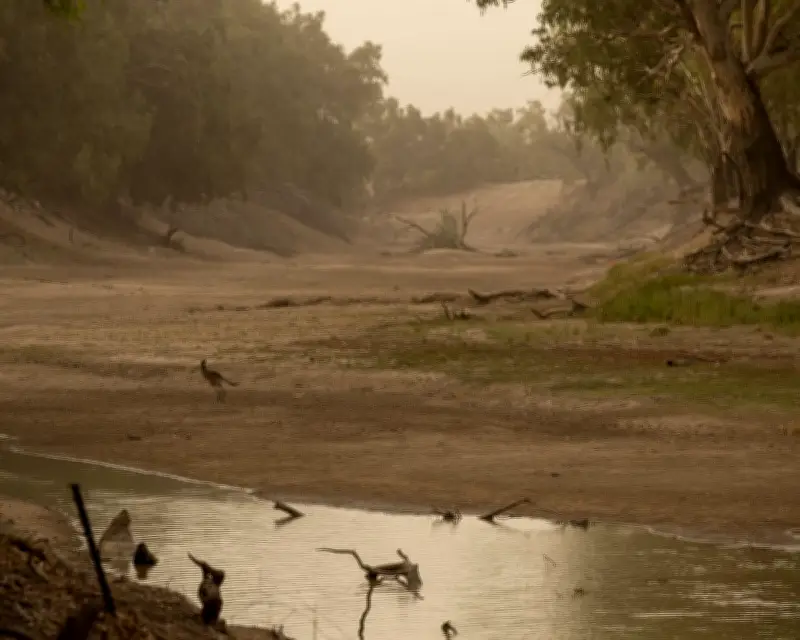
In early 2025, millions of fish died in the Darling River near Menindee, a disaster that drew national attention. The deaths were attributed to low oxygen levels caused by a combination of factors, including drought, high temperatures, and algal blooms. The report states that better water flow management could have mitigated these conditions.
The fish kill event was one of the largest in the basin's history, with estimates suggesting up to 10 million fish perished. The species affected included bony herring, golden perch, and Murray cod, devastating local ecosystems and communities.
Criticism of NSW Government's Response
Environmental groups have criticized the NSW government for its handling of the funding bid and subsequent response to the fish deaths. "This is a clear case of bureaucratic failure leading to environmental catastrophe," said Dr. Jane Smith, a water policy expert at the Australian Conservation Foundation. "The government knew the risks but failed to act decisively."
The report also noted that the NSW government had been warned by the Murray-Darling Basin Authority about the potential for mass fish deaths if water flows were not improved. Despite these warnings, the funding bid was not prioritized.
Federal Government's Role
The federal government has also come under scrutiny for its management of the basin. The Murray-Darling Basin Plan, established in 2012, aims to balance water use between agriculture, communities, and the environment. However, critics argue that implementation has been slow and underfunded.
A spokesperson for the federal Department of Climate Change, Energy, the Environment and Water said, "The government remains committed to the basin plan and is working with states to improve water management. We provided the opportunity for NSW to apply for funding, but the application was not successful due to its shortcomings."
Impact on Local Communities
The fish deaths have had a profound impact on local communities, particularly Indigenous groups who rely on the river for cultural and economic purposes. The Baakantji people, traditional owners of the Darling River, have called for urgent action to prevent further disasters.
"The river is our lifeblood," said elder William Bates. "We have seen too many fish kills in recent years. The government must do better."
Recommendations for the Future
The Auditor-General's report makes several recommendations, including that the NSW government improve its application processes for federal funding, enhance monitoring of water flows, and develop a contingency plan for extreme events. The report also calls for better coordination between state and federal agencies.
In response, the NSW government has said it will review its procedures and work more closely with the federal government to secure future funding. However, environmental groups remain skeptical, arguing that without fundamental changes to water management, similar disasters are likely to recur.
The report serves as a stark reminder of the consequences of administrative failures in environmental management. As the Murray-Darling Basin faces increasing pressures from climate change and water over-allocation, the need for effective governance has never been greater.