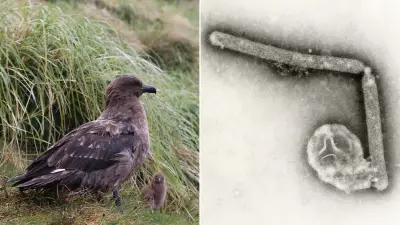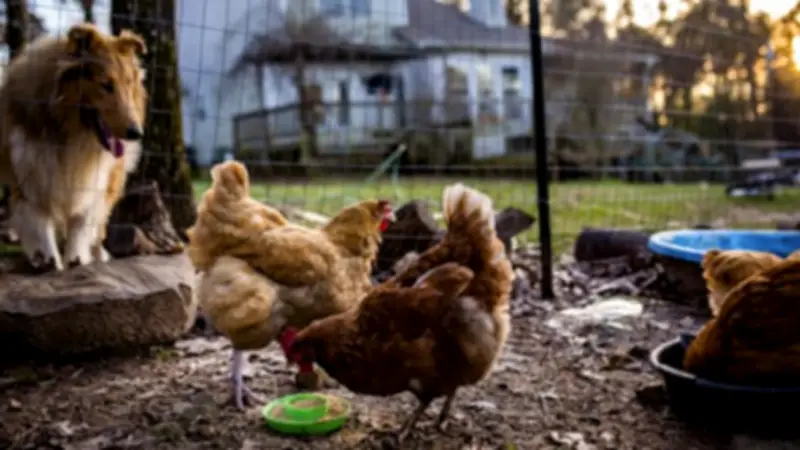
The deadly H5N1 strain of bird flu has been detected in seabirds in Western Australia and South Australia, raising alarm for backyard chicken owners and cat owners. The virus, which has caused devastation in poultry farms and wild bird populations globally, can also infect and kill cats, according to veterinary expert Dr. Jane Smith, who has studied H5N1 since 2004.
How H5N1 Spreads to Other Animals
H5N1 is a highly infectious zoonotic disease that can jump between multiple animal species. In the United States during 2023–24, the virus spread from wild birds to poultry farms and high-density dairy farms in Texas, Kansas, Michigan, and Idaho. Transmission also occurred between cattle and cats, with cats feeding on infected cow colostrum and some later dying. In Peru, Chile, and southern Antarctica, thousands of seal pups have died from the virus.
Arrival in Australia
Australian authorities initially expected the virus to arrive via migratory shorebirds from the north. However, two sick seabirds were found alive in Western Australia and South Australia, suggesting the virus may have arrived earlier, possibly from sub-Antarctic regions as early as March. The virus thrives in cold weather, making winter an ideal time for transmission. In China, outbreaks often peak around Chinese New Year when low temperatures coincide with high poultry demand.

Timeline for Poultry Outbreaks
According to data from the World Organisation for Animal Health (WAHIS), it takes an average of 2 to 6 weeks for the virus to move from wild birds to poultry after the first detection. In Denmark, the gap was just over three weeks. For Australia, experts predict possible poultry outbreaks in the next 4–5 weeks, depending on biosecurity measures and the role of bridging species like crows and magpies. State and federal agriculture departments have ramped up surveillance and public messaging.
Risks to Household Pets
For poultry, mortality rates can approach 100% in densely housed commercial farms. Free-range hens and backyard chickens are at greatest risk due to contact with wild birds. Owners should keep chickens housed as much as possible and monitor for lethargy or neurological signs. If a bird appears disoriented or unwell, call the Emergency Animal Disease Hotline at 1800 675 888. A biosecurity officer may collect nasal swabs and droppings for testing. All infected poultry must be euthanised.
Cats are at much greater risk than dogs. In the US, cats that ingested contaminated material, such as milk from infected cattle, died. Owners should prevent cats from investigating dead birds outdoors. Dogs appear less susceptible, though other terrestrial carnivores like skunks and foxes have shown neurological illness. Dingo populations may be at risk as they scavenge on dead birds. Caged birds like budgerigars are unlikely to be exposed unless they come into contact with wild birds.
Human Risk and Precautions
Human infection is rare but possible. Do not approach sick birds or animals; instead, call the hotline. If handling is necessary, wear gloves and a PPE mask, and dispose of them carefully. The virus can cause severe disease in humans, though no cases have been reported in Australia yet.