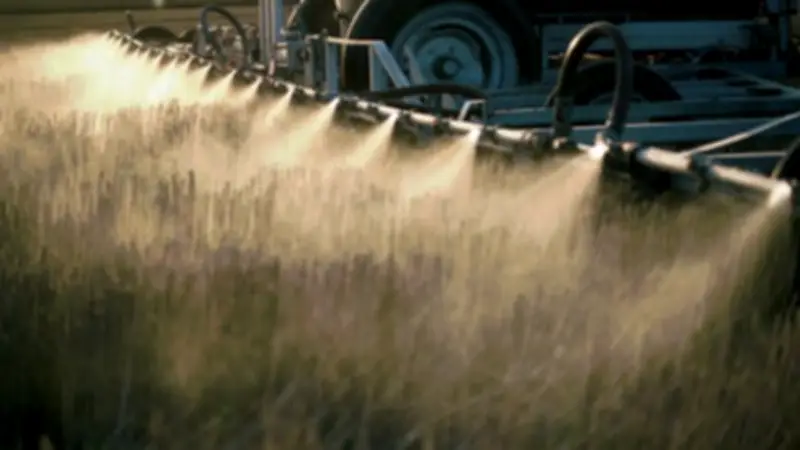
Australia's chemical regulator, the Australian Pesticides and Veterinary Medicines Authority (APVMA), has given the green light for the continued use of paraquat, a highly toxic herbicide, after a nearly 30-year review. The decision allows paraquat to be used on Australian farms at reduced rates and only in enclosed systems, banning its application with backpack sprayers.
What is Paraquat and Why is it Dangerous?
Paraquat is a Schedule 7 poison that is acutely toxic to humans if touched, swallowed, or inhaled. It is illegal in at least 74 jurisdictions worldwide, including the European Union, China, Malaysia, Brazil, and the US state of Vermont. Health advocacy groups and neurologists have called for an outright ban due to concerns linking long-term exposure to Parkinson's disease.
Why Australian Farmers Rely on Paraquat
According to recent research, Australian farmers depend on paraquat because it is cheap, effective, and there are few alternatives given current farming practices. Generic imported paraquat, largely from China where its domestic use is banned, is widely used. For broadacre farmers growing crops like wheat, oats, chickpeas, canola, and soybeans, paraquat is essential for no-till farming, which minimizes soil disturbance but requires chemical weed control. It also works on weeds resistant to other major herbicides like glyphosate.

The Rise of Chinese Generic Pesticides
The global pesticide industry has shifted towards Chinese manufacturers producing cheap generic products. In 2006, Australia imported around 10% of its pesticides from China; by 2025, that figure was almost 50%. The 2015 China-Australia Free Trade Agreement removed tariffs, making imports easier. Australia's regulatory agency does not require full assessments for new products with approved active ingredients, resulting in 121 paraquat-containing products registered in Australia, sold under names like Rainquat, Gramoxone, and Spraytop. The two leading agricultural chemical retailers, Nutrien and Elders, now source generic formulations from China. As one interviewee noted, "there are less and less commercially attractive options outside of China these days… there's almost nothing in Australia that comes out of Europe."
Impacts of a Potential Ban
Before the APVMA's decision, farmers and agronomists feared a total ban due to the lack of affordable and effective replacement herbicides. Without paraquat, farmers would need to rely on non-chemical strategies like crop rotation and denser planting, causing short-term disruption, reduced yields, and potentially higher food prices, though many crops are for export.
Future Considerations
The APVMA's decision opens a conversation about reducing dependence on pesticides that can severely damage health. Supplies of cheap generic chemicals are not guaranteed, as Chinese authorities have reduced production and could tighten export controls during crises. For now, paraquat remains in use, but figuring out how to farm without it is essential for a sustainable future.