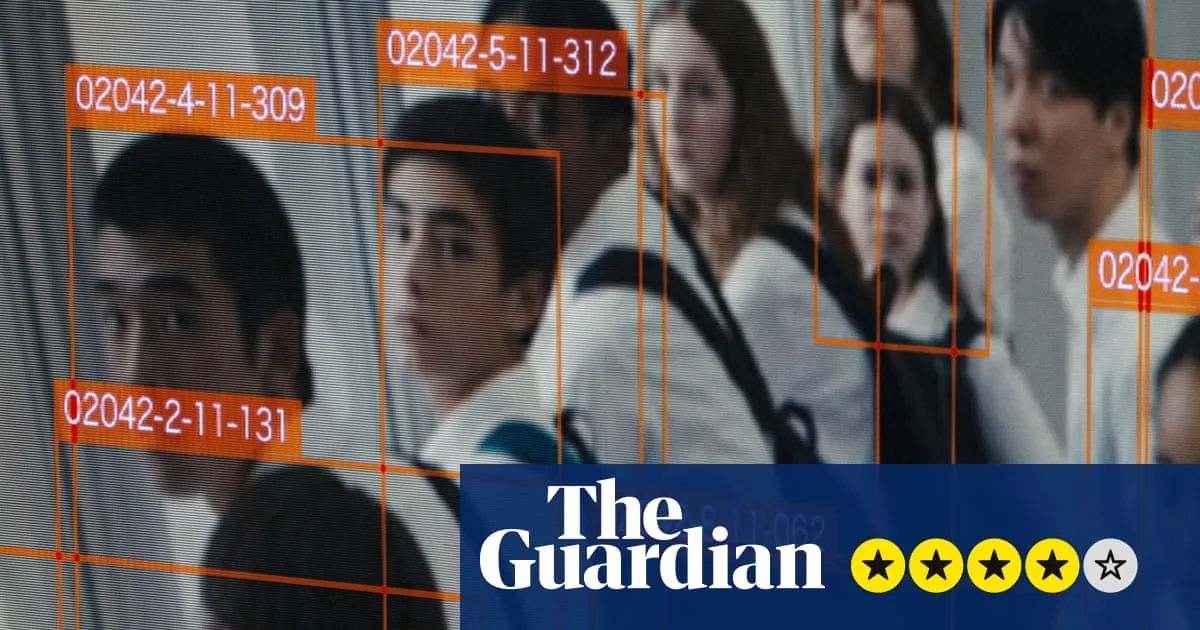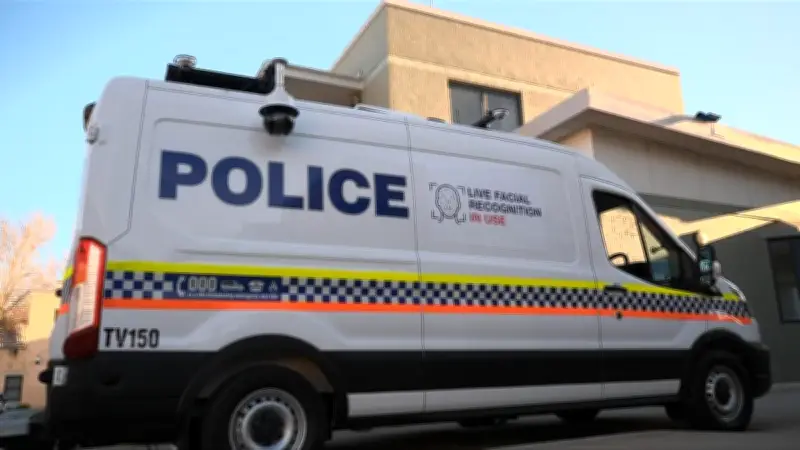
Real-time facial recognition cameras will be deployed in an Australia-first trial, promising faster response times and improved community safety, according to police.
How the technology works
The Overt Live Facial Recognition technology will be installed on or near a marked WA Police van. It can scan crowds to instantly detect faces and compare them against a target list, including more than 4000 individuals with outstanding warrants, registered child sex offenders, serious offence suspects, and missing persons.
WA Police Commissioner Col Blanch said: "It's the first time in Australia that we'll be using this technology, but it is used in other jurisdictions, particularly in the UK."

Facial recognition has been used by WA Police for over 14 years, but the current system can take hours to identify a wanted person and confirm their identity. By then, the person "has moved on," Blanch said. The new trial focuses on "the speed in which we get those results and make arrests."
Privacy safeguards
Images of people not on the alert list are automatically pixelated, so even the operator in the van cannot see them. Authorities said no record will be kept of captured data. The alert list is a "strictly controlled" catalogue containing only lawfully held police images.
Blanch emphasised that a human operator makes the final assessment: "We don't automatically arrest people because there is a match. We ask our experienced and trained police officers to make that assessment."
Blanch noted that private companies in WA use facial recognition extensively "with no rules, with no storage requirements," and argued the police cameras are less intrusive. He said the technology is "about protecting people, not watching people."
Trial details and locations
The trial will involve a single van over three to six months, deployed in public places such as Northbridge and major events at Optus Stadium. "Each location will be based on a risk assessment and who we are looking for," Blanch said.
The cost of the trial is not yet clear. Blanch stated: "The important part is to work with our community... and then we can have that cost conversation after that."
Support and concerns
The technology has led to over 2000 arrests in the UK, including cases where child sex offenders were caught walking with children. However, it has also resulted in wrongful arrests overseas.
WA opposition leader Basil Zempilas backed the cameras if protocols are in place: "If you haven't done anything wrong, you haven't got anything to worry about." He added, "I trust the police are going to use this technology in the appropriate manner."