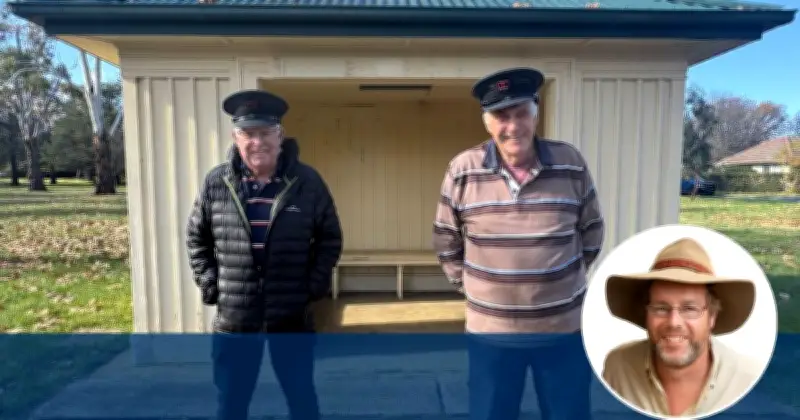
No one loves Canberra's brutalist bus shelters more than I do. This is not an exaggeration. I have visited every single one, both within and outside the Australian Capital Territory, from the dusty back streets of Dubbo to the two transformed into public toilets on the Gold Coast, and everywhere in between. My devotion to these concrete structures is unmatched, and I have dedicated more column inches to them than any other local icon—except perhaps for Lake George.
An Unlikely Obsession
My journey began as a casual curiosity but quickly escalated into a full-blown obsession. The brutalist design, with its stark geometric forms and raw concrete, is often dismissed as ugly or oppressive. Yet, I find a strange beauty in their unapologetic functionality. Each shelter tells a story of its location, weathering the elements and serving commuters day in and day out.
A National Tour
My quest took me across the country. In Dubbo, I discovered a shelter blending into the outback landscape, its concrete weathered by dust and sun. On the Gold Coast, two shelters have been repurposed as public toilets, a testament to their durability. From Sydney's inner suburbs to rural towns, I have photographed and documented each one, creating a map of brutalist bus shelters across Australia.

More Than Just Bus Stops
These shelters are more than just functional objects; they are landmarks of mid-20th-century design. They represent a period when public infrastructure was built to last, with a bold aesthetic that still sparks debate. While some see them as eyesores, I see them as relics worth preserving. My love for them has even led me to advocate for their protection, arguing that they are part of Australia's architectural heritage.
According to my own records, there are over 200 such shelters in the ACT alone, with dozens more scattered across other states. Each one holds a special place in my heart, and I continue to explore new additions to the collection.