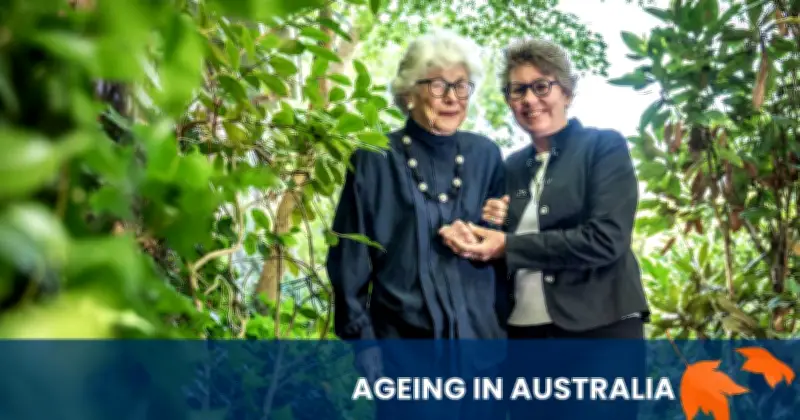
Valerie Brown, a 95-year-old Australian, has shared her experience with support at home programs, emphasizing their critical role in enabling seniors to age with dignity and independence. Brown, who lives in her own home, relies on these services for daily tasks, allowing her to avoid moving into residential aged care.
The Value of Home Support
Brown explains that the assistance she receives, including help with cleaning, gardening, and personal care, has been a lifeline. 'Without it, I wouldn't be able to stay in my own home,' she says. The programs are funded by the Australian government through the Commonwealth Home Support Programme (CHSP), which helps older Australians access entry-level services to remain independent.
Maintaining Independence
For Brown, the ability to make her own decisions and live on her terms is invaluable. She notes that the support workers are not just helpers but companions who respect her privacy and preferences. This person-centered approach is key to the program's success, as it tailors services to individual needs.

Brown's story reflects a broader trend in Australia, where the population is aging rapidly. According to the Australian Institute of Health and Welfare, the number of people aged 65 and over is projected to double by 2057. Home support programs are increasingly seen as a cost-effective and humane alternative to institutional care.
Challenges and Future Directions
Despite the benefits, Brown acknowledges challenges such as navigating the system and ensuring adequate funding. She advocates for more awareness and resources to expand these services. 'We need to make sure everyone who wants to stay at home can,' she urges.
Experts agree that investing in home support can reduce pressure on hospitals and aged care facilities. As the Royal Commission into Aged Care Quality and Safety recommended, a shift towards home-based care is essential for a sustainable aged care system.
Valerie Brown's testimony underscores the profound impact of support at home programs. For her, and many like her, these services are not just about practical help but about preserving autonomy and connection to community. As Australia grapples with an aging population, her voice serves as a reminder of what truly matters: the ability to age in place, with dignity and choice.