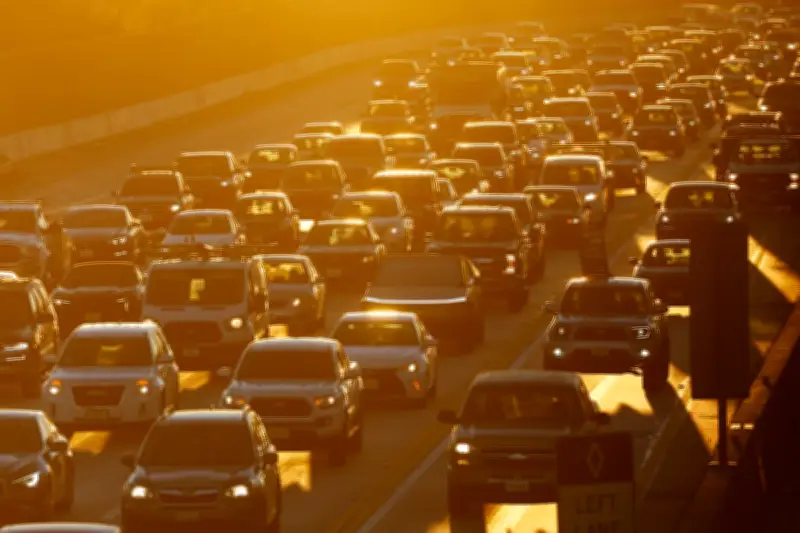
A new study has revealed that vehicle emissions are responsible for approximately 11,000 premature deaths each year in the United States, with the burden falling disproportionately on low-income and minority communities. The research, published in the journal Environmental Health Perspectives, provides the most comprehensive analysis to date of the health impacts of on-road mobile sources.
Study Methodology and Key Findings
Researchers from the University of Washington and the University of North Carolina modeled the effects of tailpipe emissions from cars, trucks, and buses across the contiguous US. They estimated that 11,000 deaths annually are attributable to fine particulate matter (PM2.5) and nitrogen dioxide (NO2) from vehicles. The study also found that people of color are exposed to 24% more vehicle pollution than white individuals, and low-income households face 15% higher exposure than higher-income households.
Health and Economic Impact
The health impacts translate into significant economic costs, with the study estimating $100 billion in annual health damages. The majority of deaths are linked to PM2.5, which penetrates deep into the lungs and can cause heart attacks, strokes, and lung cancer. Lead author Dr. Sarah Chambliss stated, "Our findings underscore the urgent need for stricter emissions standards and targeted policies to protect vulnerable communities."

Disproportionate Burden on Communities of Color
The study highlights environmental justice concerns, showing that Black and Hispanic populations bear a higher per capita death rate from vehicle pollution. In urban areas, pollution hotspots are often located near highways and industrial corridors where minority communities are concentrated. Co-author Dr. Julian Marshall emphasized, "This is a systemic issue that requires addressing both emissions and urban planning."
Policy Implications
The findings come as the Environmental Protection Agency (EPA) considers tightening emissions standards for light- and heavy-duty vehicles. The study supports the EPA's recent proposals to reduce NOx emissions by 90% by 2030. However, critics argue that more aggressive action is needed, including promoting electric vehicles and expanding public transit. The study also notes that even with current policies, vehicle emissions will remain a leading cause of air pollution-related deaths for decades.