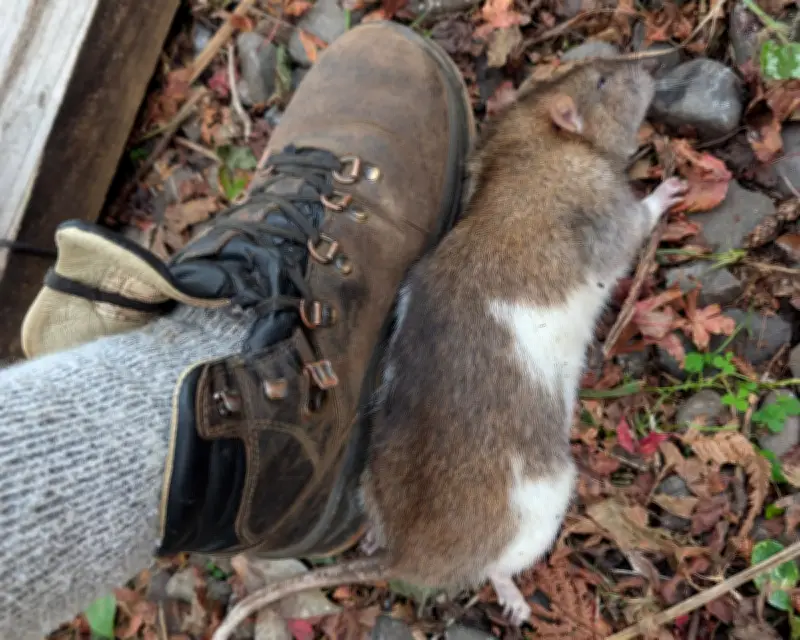
In Wellington, New Zealand, a dedicated group of volunteer rat hunters and catchers is working tirelessly to combat a growing rodent problem in the capital city. The initiative is part of the broader Predator Free New Zealand 2050 goal, which aims to eliminate invasive predators such as rats, possums, and stoats from the country.
Volunteers on the Frontline
Armed with traps, bait, and specially trained dogs, these volunteers patrol neighborhoods, parks, and waterfront areas to reduce the rat population. Many residents have reported increased sightings of rats, especially in older suburbs with dense housing and near the harbor. The volunteers work in coordination with local councils and conservation groups to ensure their efforts are effective.
Methods and Tools
The hunters use a variety of methods, including kill traps, live capture cages, and electronic monitoring devices. Dogs trained to detect rats help locate nests and burrows. Volunteers also educate the public about proper waste management and eliminating food sources that attract rodents.

One volunteer, Sarah Jenkins, said, "It's a community effort. Everyone can do their part by securing rubbish bins and not leaving pet food outside."
Challenges and Successes
Despite progress, challenges remain. The city's geography, with its hills and green spaces, provides ample habitat for rats. Additionally, the mild climate allows for year-round breeding. However, the volunteers have seen success in some areas, with reduced rat numbers and fewer complaints from residents.
The Predator Free Wellington project has also introduced innovative techniques, such as using GPS-tracked traps and community reporting apps to map rat activity. These tools help prioritize areas that need attention.
As the city continues to grow, the battle against rats is likely to intensify. But with the dedication of these volunteer hunters, Wellington is making strides toward a predator-free future.