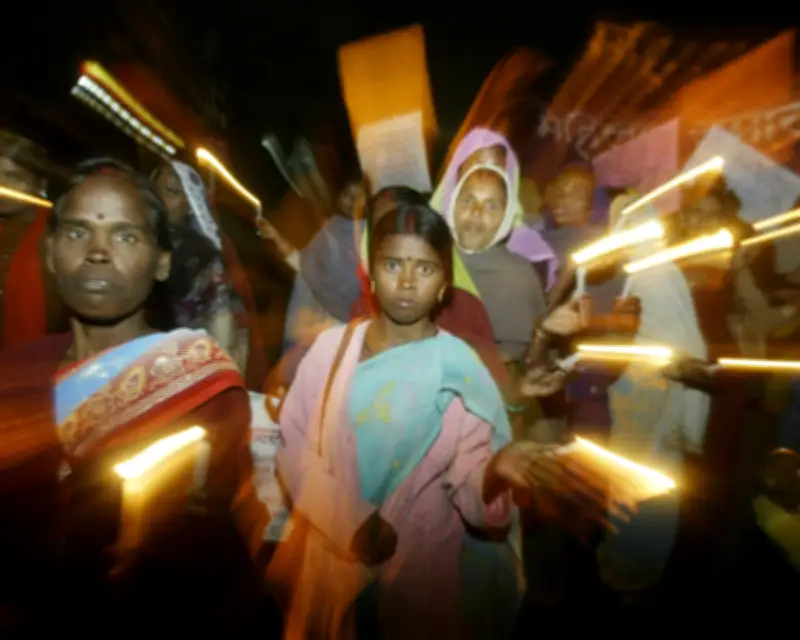
A new study has revealed that dowry-related murders in India have become so routine that they no longer spark public anger or debate, marking a disturbing shift in societal attitudes toward gender-based violence. The research, conducted by the Centre for the Study of Developing Societies (CSDS) and published in the Journal of Gender Studies, analyzed media reports and public discourse over the past two decades.
Decline in media coverage and public outrage
The study found that while the number of reported dowry deaths has remained high—averaging over 8,000 per year according to National Crime Records Bureau data—media coverage has dropped by 60% since 2005. Public protests and social media campaigns on the issue have also dwindled. Lead researcher Dr. Ananya Sharma stated, "Dowry murders have become so normalized that they no longer provoke the same level of outrage as they did in the 1990s and early 2000s."
Normalization of violence against women
The research attributes this normalization to several factors, including desensitization due to the sheer volume of cases, lack of effective legal action, and shifting public focus to other issues. In 2024, India recorded 8,233 dowry deaths, but only 32% of cases resulted in convictions. "The justice system's failure to deliver accountability has led to a sense of hopelessness," Dr. Sharma added.

Impact on policy and advocacy
The decline in public anger has also affected advocacy efforts. Women's rights groups report reduced funding and public interest in campaigns against dowry violence. "We are struggling to keep the issue in the public eye," said Meera Patel, coordinator of the National Federation of Indian Women. "Without public pressure, policymakers are less likely to prioritize reforms."
Broader societal implications
The study warns that the normalization of dowry murders could embolden perpetrators and further entrench patriarchal norms. It calls for renewed efforts to raise awareness and strengthen legal frameworks. "We need to break this cycle of indifference," Dr. Sharma emphasized. "Every death is a tragedy that demands justice and societal response."