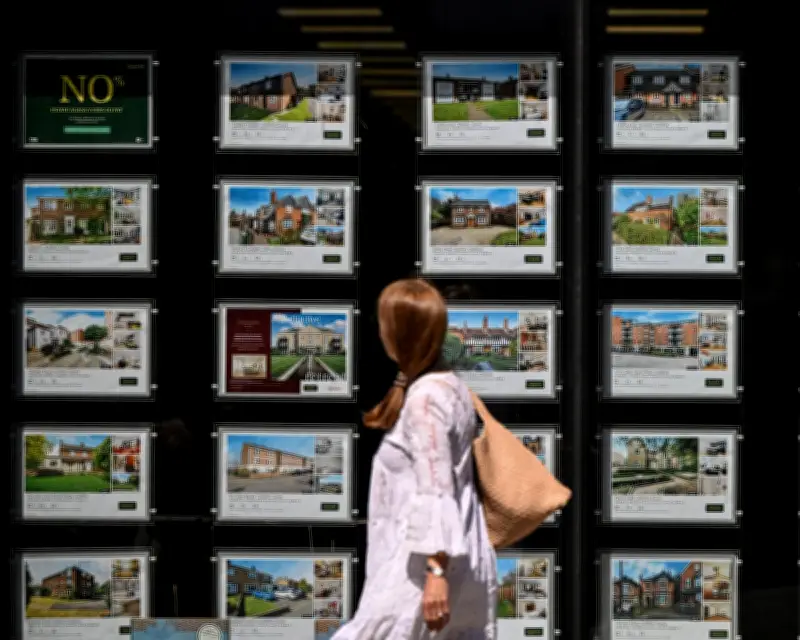
Postwar homeowners in Australia have been urged to acknowledge their good fortune as a new report highlights the unprecedented property value growth that has benefited this generation. The report, released by the Australian Housing and Urban Research Institute (AHURI), found that homeowners who purchased properties in the decades following World War II have seen their home values increase by an average of 800% in real terms, far outpacing wage growth and inflation.
Report highlights generational wealth divide
The AHURI report, titled "Housing Wealth and Intergenerational Equity," reveals that the average postwar homeowner has accumulated over $1.2 million in housing equity, compared to just $200,000 for those who bought their first home after 2000. According to lead researcher Professor Rachel ViforJ, "Postwar homeowners have benefited from a perfect storm of factors, including strong economic growth, rising demand, and government policies that encouraged home ownership."
Government policies contributed to windfall
The report notes that policies such as negative gearing, capital gains tax discounts, and the First Home Owner Grant have disproportionately benefited older Australians. "These policies have inflated property prices and made it harder for younger generations to enter the market," Professor ViforJ said. "Postwar homeowners should recognise that their wealth is not solely the result of hard work, but also of favorable market conditions and government intervention."

Impact on younger generations
The report also examines the impact of this wealth divide on younger Australians. Homeownership rates among 25-34 year olds have fallen from 60% in the 1980s to just 36% today. "Young people are increasingly locked out of the housing market, which has implications for their financial security and well-being," the report states. The researchers call for policy reforms to level the playing field, including phasing out negative gearing and increasing the supply of affordable housing.
Reactions from postwar homeowners
The report has sparked debate among homeowners. Margaret Thompson, 78, who bought her home in Sydney's eastern suburbs in 1975 for $40,000, said she feels "fortunate but not guilty." "We worked hard and saved for our deposit," she said. "But I also understand that the market is different now. My grandchildren are struggling to afford a home, and that's worrying." Others have been less receptive, with some accusing the report of promoting "generational warfare."
Calls for policy action
The AHURI report recommends several policy changes to address the imbalance, including reforming property taxes, increasing social housing investment, and introducing shared equity schemes. "We need to acknowledge that the current system is not sustainable," Professor ViforJ said. "Postwar homeowners have done well, but we must ensure that future generations have the same opportunities."