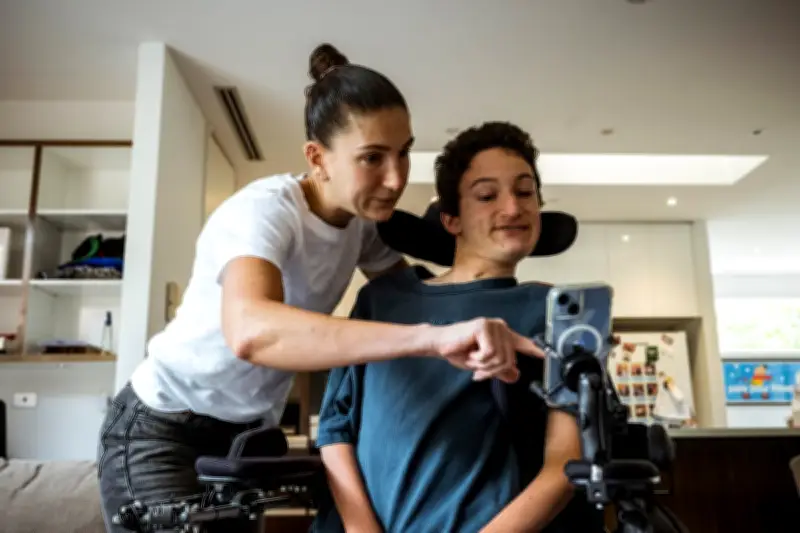
When your child is quadriplegic, a wheelchair is not a luxury: it is a lifeline. For one Australian family, the National Disability Insurance Scheme (NDIS) has been the difference between isolation and participation. But now, as the Labor government pursues budget savings, their world is crumbling.
The NDIS at a Crossroads
The NDIS was designed to provide choice and control for people with disability. However, recent federal budget measures aim to rein in spending, with cuts that directly affect the most vulnerable. For children like eight-year-old Mia, who has cerebral palsy and is quadriplegic, the scheme funds her customised wheelchair, daily therapy, and support workers. Without these, her family says she would be housebound.
Wheelchair Woes
Mia’s mother, Sarah, describes the struggle to get a new wheelchair approved. “We waited 18 months for a replacement. Her old one broke, and she was stuck in a hospital bed. The paperwork is endless, and now with these cuts, I fear we will be denied altogether.” The family has already cut back on therapy hours and support worker shifts to make ends meet.

Labor’s Savings Measures
The government argues that the NDIS is unsustainable without reform, pointing to rising costs and fraud. But critics say the cuts are hitting the wrong people. “They talk about waste, but my daughter’s wheelchair is not waste,” Sarah says. The budget includes tighter eligibility checks and caps on certain equipment, which could leave thousands without essential aids.
A Community in Fear
The family is not alone. Support groups report a surge in anxiety among NDIS participants. Many are postponing equipment purchases and therapy, unsure if they will be reimbursed. “We are living in limbo,” says John, whose son uses a powered wheelchair. “Every day we wonder if the next letter will say ‘no’.”
The Human Cost
Beyond the financial strain, the emotional toll is immense. Mia’s father, David, says the uncertainty is crushing. “We fight every day for her to have a normal life. These cuts feel like a punishment for being sick.” The family has started a petition calling on the government to protect essential supports for children with complex needs.
What Can Be Done?
Disability advocates urge the government to consult with families before implementing further cuts. They argue that investing in early intervention and quality equipment saves money in the long run by reducing hospitalisations and carer burnout. “We need a scheme that supports people, not one that creates barriers,” says advocate Lisa Chen.
For now, Sarah and David continue their daily routine of care, hoping that common sense will prevail. “We are not asking for handouts. We are asking for what is rightfully ours under the NDIS: a chance for our daughter to live with dignity.”