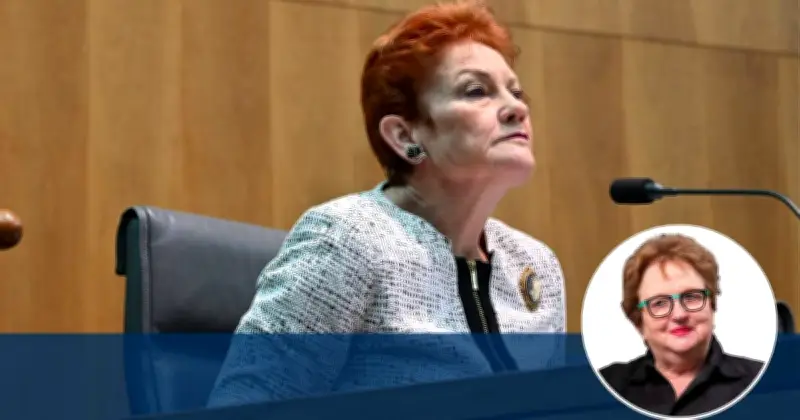
Pauline Hanson, the leader of One Nation, has long been a polarising figure in Australian politics. Her choices and strategies have shaped the party's trajectory and influence. This analysis delves into the key decisions and tactics that define her leadership.
Hanson's Political Journey
Since her entry into federal politics in 1996, Hanson has consistently championed populist and nationalist policies. Her approach has evolved over the years, adapting to the changing political landscape while maintaining core principles. One Nation's recent electoral performances highlight both successes and challenges.
Strategic Alliances and Messaging
Hanson has formed strategic alliances with other conservative figures and parties, amplifying her voice on issues like immigration, trade, and sovereignty. Her messaging often targets disenfranchised voters, emphasising anti-establishment rhetoric. This has resonated in regional areas but faced criticism for divisiveness.

One Nation's strategy involves leveraging social media and grassroots campaigning to bypass traditional media filters. Hanson's direct communication style appeals to supporters but also attracts controversy. The party's policy platform focuses on economic nationalism, border security, and opposition to climate action.
Electoral Impact and Future Prospects
One Nation has influenced policy debates, particularly on immigration and trade. However, internal divisions and leadership disputes have hindered sustained growth. Hanson's ability to maintain party unity and attract new candidates will determine future electoral success.
Analysis of recent elections shows One Nation's vote share fluctuating, with strong support in Queensland but limited elsewhere. The party's future hinges on Hanson's leadership decisions and the broader political environment. As Australia's political landscape shifts, One Nation's role remains significant but uncertain.