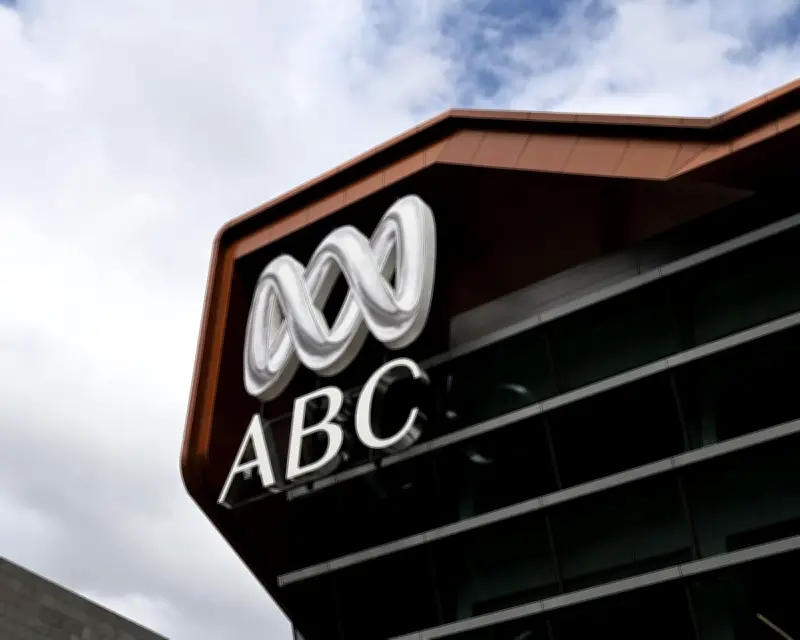
The ABC and SBS are set to appear as witnesses before the royal commission into antisemitism and social cohesion, following complaints about their coverage of the Middle East conflict. The inquiry, established after the Bondi terror attack, is examining the role of traditional and social media in spreading antisemitic content.
Submissions Criticise Public Broadcasters
On Monday, counsel assisting Richard Lancaster SC told the commission that some submissions are “highly critical” of the ABC and SBS reporting on the Middle East. “These media outlets occupy a particularly important, trusted position in the Australian media landscape. Their statutes, charters and policies commit them to high standards of accuracy, impartiality and balance, which they are charged with reflecting and indeed fostering,” he said. “There are complaints that the ABC and the SBS have produced coverage that is inaccurate or unbalanced, both in their selection of stories and focus and in the reportage that they produce.”
Witnesses and Responses
Jillian Segal, the special envoy to combat antisemitism, will be called to speak on these concerns. Lancaster added, “Witnesses from the public broadcasters themselves will also be called to speak to the approach taken by the ABC and the SBS to their reporting of the conflict.” An SBS spokesperson confirmed the broadcaster is “engaging with the royal commission process, including by providing written submissions.” The ABC also made a submission, with a spokesperson stating, “We recognise the importance of the royal commission and will continue to engage constructively.”

Broadcasters Defend Their Coverage
The ABC has consistently defended its reporting against what managing director Hugh Marks has called “unfounded” criticism. Last month, ABC chair Kim Williams responded to News Corp claims of biased reporting, saying, “Recent commercial media has accused the ABC of bias and as having contributed to the rise of antisemitism. The ABC stands by its reporting of the conflict in the Middle East.” The SBS also defended its coverage, with a spokesperson noting, “As a public service media organisation, SBS provides accurate, balanced and impartial coverage across a range of matters, including antisemitism and social cohesion, in accordance with the SBS code of practice and in fulfilment of its charter.”
Focus on Online Platforms
Over the next two weeks, commissioner Virginia Bell will hear evidence about “the dissemination of antisemitic content and other forms of hateful speech in the online environment, as well as antisemitism in traditional media and broadcasting.” Lancaster told the commission that not all social media platforms have responded well to its inquiries. Facebook, Google, LinkedIn and TikTok engaged “meaningfully,” but there was no response from X or Telegram. Reddit and Twitch provided limited responses, while Gab was “openly hostile,” with a representative saying the platform will “publish what it likes, when it likes.”
Online Environment as Incubator
Lancaster raised the “potential for the online environment to function as an incubator of antisemitic violence.” He stated, “It has become increasingly apparent that the online environment – and social media platforms in particular – are perhaps the most significant vector for the spread of antisemitism and hate in the community.”