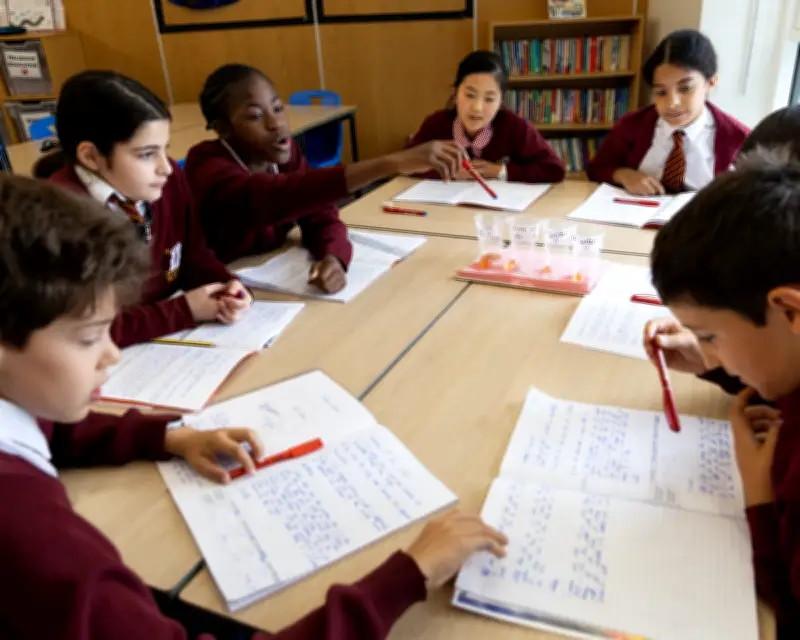
A London primary school has taken a unique approach to reducing screen time by implementing screen-free Mondays, a policy that applies not only to pupils but also to teachers and parents. Holy Family Catholic primary school in Ealing, west London, has seen enthusiastic participation from families after the idea was proposed by a year 6 student, Sophie Janashia.
The Origin of Screen-Free Mondays
Sophie Janashia wanted her school to hear children's thoughts on smartphones and devices. She suggested a completely screen-free school day to ensure no one felt left out. The idea quickly gained traction, and the school now holds monthly screen-free Mondays, banning laptops, monitors, tablets, and smartphones for everyone on campus.
Teacher and Parent Involvement
Deputy headteacher Yvonne Rutherford noted that the biggest surprise was the enthusiastic response from parents. "We didn't really expect parents to take part, but after talking with their children and reading school newsletters, they wanted to be involved," she said. Parents now share photos of evening activities like playing cards, reading, walking, and sports, creating a community of screen-free engagement.

Teachers have also adapted by replacing interactive whiteboards and videos with traditional, hands-on teaching methods. This has required rethinking lesson plans and designing more interactive activities.
Impact on Families
Students report that screen-free days extend into evenings at home. Leo, a pupil, said, "At first it was just at school, but then my parents joined in, and we started playing games after dinner instead of watching TV." He even caught his father playing video games at night, highlighting the challenge of breaking habits.
Other students appreciate having their parents less distracted during meals, leading to more meaningful conversations. Fabiola Vicente, a parent, said the initiative made her aware of her phone dependency. She now leaves her phone in another room on other days as well. Hisae Suzuki, another parent, described her daughter as "a little bit addicted" to screens, and the screen-free days served as a necessary trigger to change their habits.
Recognition and Government Interest
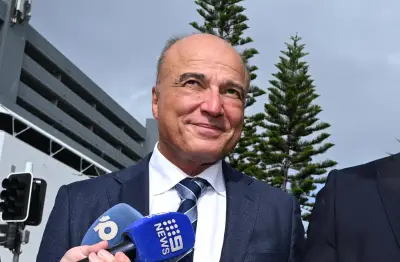
The initiative has attracted attention from other schools and the government. Sophie participated in a discussion with Technology Secretary Liz Kendall, who is considering restrictions on social media for under-16s. Kanishka Narayan, the minister for AI and online safety, also visited the school to speak with Sophie and student online safety ambassadors.
Rutherford emphasized that the screen-free days have been a great success in raising awareness about screen impact. "The discussions have been the best thing, getting parents involved and families taking part," she said. The school continues to inspire others to consider similar approaches to digital well-being.