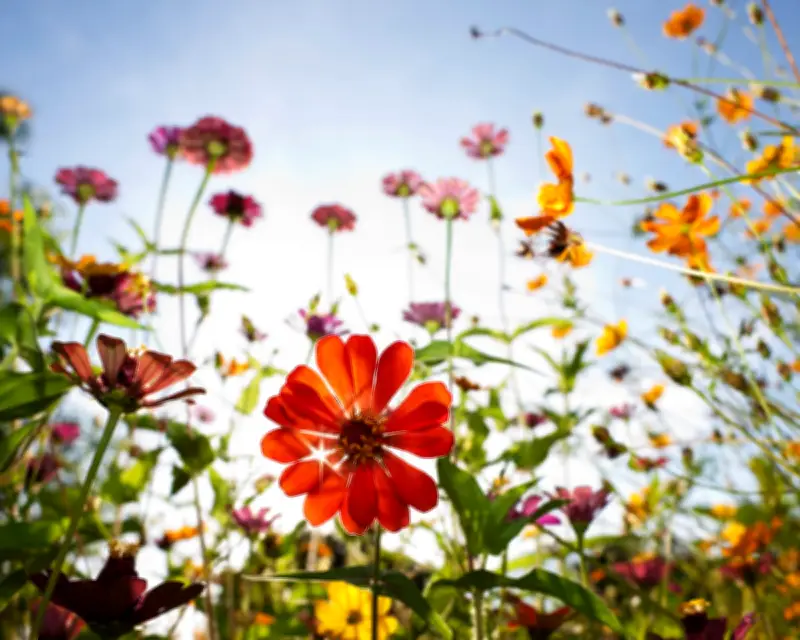
A new natural history GCSE will teach teenagers how to plant wildflower-friendly gardens as part of efforts to boost biodiversity and environmental awareness. The qualification, set to be introduced in schools from September 2026, aims to reconnect young people with nature and equip them with practical skills to support local ecosystems.
The course will cover topics such as identifying native plant species, understanding soil health, and creating habitats for pollinators like bees and butterflies. Students will also learn about the impact of climate change on wildlife and how to design gardens that thrive with minimal intervention.
Practical Learning and Fieldwork
The GCSE includes a significant fieldwork component, requiring students to spend time outdoors observing and recording wildlife. They will be expected to plant and maintain a wildflower patch, documenting its development over time. This hands-on approach is designed to foster a deeper connection to the natural world and encourage lifelong environmental stewardship.

Exam boards have developed specifications that emphasize sustainability and conservation. The course will be assessed through a combination of practical projects, written exams, and a portfolio of fieldwork observations. Teachers will receive training to deliver the curriculum effectively, with resources provided by conservation organizations.
Support from Environmental Groups
Environmental charities have welcomed the initiative, stating that it addresses a growing disconnect between young people and nature. The Royal Society for the Protection of Birds (RSPB) and the Wildlife Trusts are among the organizations that have contributed to the development of the GCSE. They believe that teaching students to create wildflower-friendly gardens can have a positive impact on local biodiversity, providing food and shelter for insects and birds.
Research shows that wildflower meadows have declined by 97% in the UK since the 1930s, leading to a sharp drop in pollinator populations. The new GCSE aims to reverse this trend by encouraging students to transform school grounds, community spaces, and their own gardens into mini nature reserves.
Curriculum Details
The syllabus includes modules on plant identification, ecological relationships, and the role of gardens in urban environments. Students will learn about the life cycles of common wildflowers, how to prepare soil for planting, and methods for controlling invasive species without chemicals. They will also explore the history of British wildflowers and their cultural significance.
Assessment will involve creating a management plan for a wildflower area, conducting surveys of plant and animal life, and presenting findings on the benefits of wildflower gardening. The qualification is designed to be accessible to students of all abilities, with options for both practical and theoretical work.
Impact on Schools and Communities
Schools are expected to allocate outdoor space for wildflower gardens, and some may partner with local parks or nature reserves for fieldwork. The GCSE is part of a broader government push to integrate environmental education into the curriculum. Education officials hope that the course will inspire students to pursue careers in conservation, horticulture, or environmental science.
Community groups have also expressed interest in supporting the qualification, with plans to offer workshops and volunteer opportunities for students. The initiative is seen as a way to build stronger ties between schools and their local environments, fostering a sense of responsibility for the natural world.
The natural history GCSE represents a significant step forward in environmental education, providing young people with the knowledge and skills to make a tangible difference in their communities. By teaching them to plant wildflower-friendly gardens, it aims to create a generation of environmentally conscious citizens who value biodiversity and sustainable living.