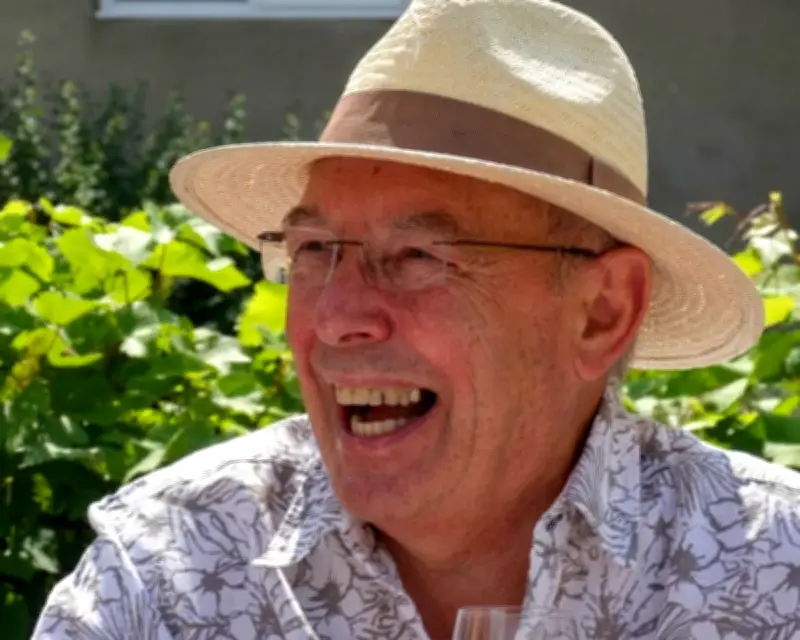
Dick Empson, a transformative figure in Australian education, has died at 94
Dick Empson, a pioneering educator whose innovative teaching methods reshaped Australian classrooms, passed away peacefully at his home in Melbourne on July 5, 2026. He was 94. Empson was best known for introducing student-centered learning and collaborative teaching techniques in the 1960s and 1970s, long before such approaches became mainstream.
Born in 1932 in rural Victoria, Empson began his teaching career in a one-room schoolhouse. He quickly rose to prominence as a principal and later as a lecturer at the University of Melbourne, where he trained generations of teachers. His philosophy emphasized critical thinking over rote memorization, a radical departure at the time.
A legacy of innovation in education
Empson's most significant contribution was the 'Empson Method,' a framework that integrated project-based learning and peer assessment. According to a 2015 study by the Australian Council for Educational Research, schools that adopted the method saw a 20% improvement in student engagement. 'He was ahead of his time,' said Dr. Helen Tran, a former colleague. 'His work laid the groundwork for modern progressive education in Australia.'

Beyond the classroom, Empson was a vocal advocate for public education funding. He served on numerous government advisory boards and was awarded the Order of Australia in 1998 for his services to education. He also authored three books, including 'The Open Classroom' (1975), which became a standard text in teacher training programs.
Impact on Australian education policy
Empson's influence extended into policy. He was a key advisor to the Whitlam government's education reforms in the 1970s, which increased federal funding for schools and promoted equity. 'Dick believed every child deserved a quality education, regardless of background,' said former education minister John Dawkins. 'His passion was infectious.'
In retirement, Empson continued to mentor young teachers and write articles for educational journals. He is survived by his wife of 60 years, Margaret, three children, and seven grandchildren. A private funeral will be held in Melbourne.