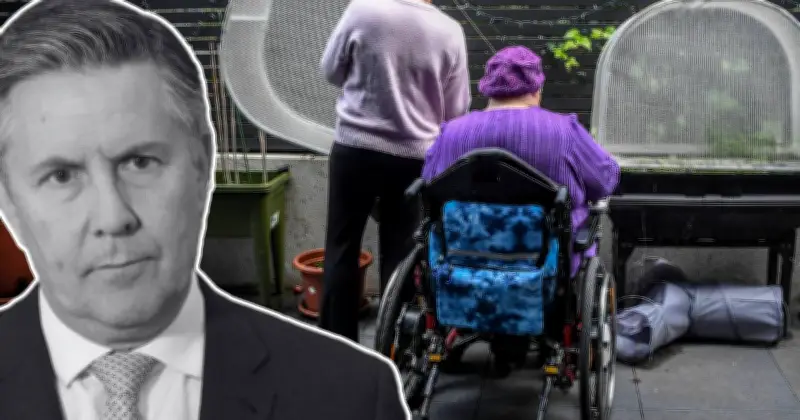
A Canberra wheelchair user has voiced profound anxiety over proposed cuts to the National Disability Insurance Scheme (NDIS) by Minister Mark Butler. The individual, who relies on the scheme for daily living assistance, fears that the reductions will strip away essential support, leaving them with diminished independence and quality of life.
Impact of Proposed Changes
The proposed changes, outlined by Butler, aim to curb the NDIS's rising costs, which have exceeded initial projections. However, critics argue that the cuts disproportionately affect the most vulnerable participants. The wheelchair user, who wished to remain anonymous, stated, "These cuts are not just numbers on a page; they represent a loss of freedom and dignity for people like me."
The individual uses a power wheelchair and requires assistance with personal care, household tasks, and community access. Under the current NDIS plan, they receive funding for a support worker for 20 hours per week. The proposed cuts could reduce this to 15 hours, making it challenging to maintain employment and social connections.

Broader Concerns in the Community
Disability advocates have echoed these concerns, warning that the cuts could lead to increased hospitalizations and carer burnout. A spokesperson from Disability Advocacy Network Australia said, "The NDIS was designed to provide reasonable and necessary supports. Weakening that commitment undermines the scheme's core purpose."
Minister Butler has defended the changes, stating they are necessary to ensure the NDIS's long-term sustainability. He emphasized that the government remains committed to supporting people with disabilities but must balance the budget. However, the wheelchair user remains skeptical: "Sustainability shouldn't come at the cost of those who rely on the system most."
Personal Story of Resilience
The wheelchair user shared their journey of adapting to life after a spinal cord injury five years ago. With NDIS support, they were able to return to work part-time and engage in community activities. "The NDIS gave me a new lease on life," they said. "Taking that away feels like a betrayal."
They have started a petition against the cuts, gathering over 1,000 signatures in the local community. The petition calls for a review of the proposed changes and greater involvement of participants in decision-making processes.
Looking Ahead
As the government prepares to introduce the legislation, the wheelchair user plans to attend parliamentary hearings in Canberra to voice their concerns. "I won't let my voice be silenced," they declared. "This is about basic human rights."
The NDIS has been a lifeline for many Australians since its inception, but its future remains uncertain. For this wheelchair user and thousands like them, the stakes could not be higher.