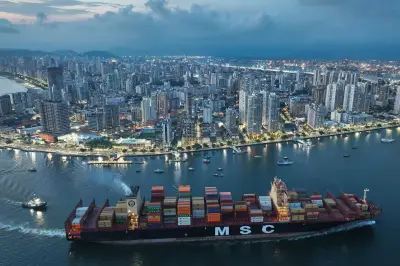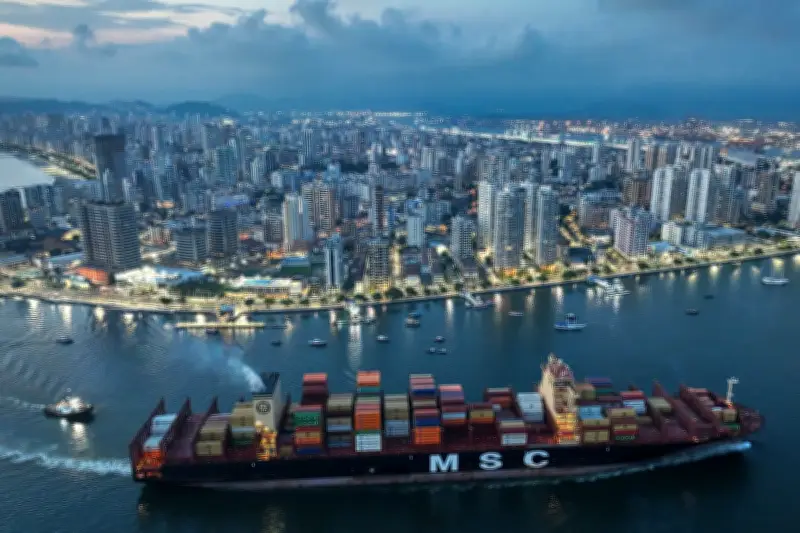
The Trump administration has proposed 25% tariffs on imports from Brazil, accusing the world's 10th-largest economy of engaging in "unreasonable" trade practices that "burden or restrict US commerce." The announcement came late Monday following an investigation by the Office of the US Trade Representative, which cited Brazil's lax anti-corruption enforcement and its own unfair tariffs among other issues.
Brazil's Response
Brazilian President Luiz Inácio Lula da Silva said he received the decision "with indignation." He blamed the move on his political rival, Senator Flávio Bolsonaro, who visited Washington last week. Flávio is the son of former President Jair Bolsonaro, once dubbed "the Trump of the Tropics." Lula stated that the US administration's action is being "sabotaged by merely electoral and family matters" of the Bolsonaros.
US Trade Surplus with Brazil
Despite the proposed tariffs, the United States has maintained a goods trade surplus with Brazil for years. Last year, US exports to Brazil rose nearly 11% to $54.4 billion, while Brazilian exports to the US fell 5.7% to $39.9 billion, resulting in a US trade surplus of over $14 billion. The trade imbalance for services is even more lopsided in favor of the US, with services exports reaching $29.6 billion in 2024—quadruple Brazil's services exports to the US.

Political Motivations
Lula also named US Secretary of State Marco Rubio as a hurdle in relations with Trump, calling him "anti-Latin American" and a "deadly enemy of Cuba and many Latin American countries." The US State Department did not immediately respond to a request for comment. Lula threatened retaliation, saying, "If they don't want to buy from us, we will sell to someone else." China has been Brazil's largest trading partner for about a decade.
Background of Tariff Threats
Last year, Trump imposed a 50% tariff on Brazil, mainly to protest the prosecution of Jair Bolsonaro for attempting to overturn his 2022 electoral defeat. Relations seemed to improve in early May when Lula visited the White House. However, last week, the Trump administration designated two Brazilian gangs as terrorist organizations after Bolsonaro's visit—a move Lula opposes, as it could bolster his political rival.
The US Trade Representative Jamieson Greer stated that he and Trump had "constructive" meetings with Lula but acknowledged "substantial differences" in resolving the issues. A public hearing on the proposed tariffs is scheduled for July 6.
Legal Context
The Trump administration invoked Section 301 of the Trade Act of 1974 to launch the investigation into Brazil's trade practices. This follows a US Supreme Court ruling in February that Trump overstepped his authority by using the International Emergency Economic Powers Act (IEEPA) for sweeping tariffs. However, Section 301 tariffs have survived legal challenges, and the administration may use this authority to impose other tariffs and recover lost tax revenue.
Brazil's government stressed it hopes the recommendations do not become effective tariffs but will adopt every measure to reduce damage to the national economy, jobs, and income of Brazilians.