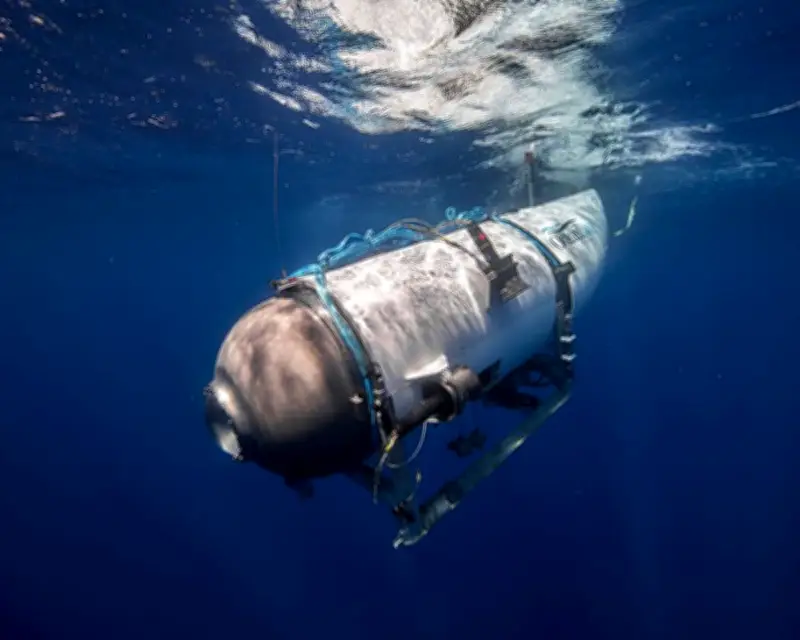
A damning report into the Titan submersible disaster has revealed critical design flaws and a corporate culture of groupthink at OceanGate, which ultimately led to the implosion that killed five people during a voyage to the Titanic wreck in June 2023.
Key Findings of the Report
The investigation, conducted by the US Coast Guard and other agencies, found that OceanGate ignored multiple warnings and safety concerns. The company's CEO, Stockton Rush, who died in the implosion, was described as unwilling to listen to outside experts. The report highlights that the Titan's unconventional design, including a carbon-fibre hull and a viewport rated for much shallower depths, was a direct result of this insular decision-making.
Design Flaws Identified
- The carbon-fibre hull was not tested to the pressures expected at 3,800 metres depth.
- The viewport was only certified for depths up to 1,300 metres.
- The lack of a failsafe emergency ascent system.
Experts had repeatedly raised concerns, but were dismissed or ignored. The report states that OceanGate's culture discouraged dissent, creating an environment where safety was sacrificed for innovation and cost-cutting.

Company Culture Under Scrutiny
The report criticises OceanGate's 'groupthink' mentality, where employees and contractors felt pressured to conform to Rush's vision. Former employees testified that safety concerns were often met with hostility. The company also failed to seek independent certification for the Titan, which was a key factor in the tragedy.
Recommendations for the Future
The investigation recommends stricter regulations for deep-sea submersibles, including mandatory third-party certification and better oversight. It also calls for a cultural shift in the industry to prioritise safety over ambition.
The families of the victims have expressed hope that the report will prevent similar disasters. OceanGate has since ceased operations, but the legacy of the Titan disaster serves as a stark warning about the dangers of unchecked corporate hubris.