A UK-based couple has revealed that their twins were conceived using the wrong sperm after they employed an overseas surrogacy agency, leading to a distressing legal and ethical battle. The couple, who have not been named, sought surrogacy services abroad due to the complex and costly process in the United Kingdom.
The Shocking Discovery
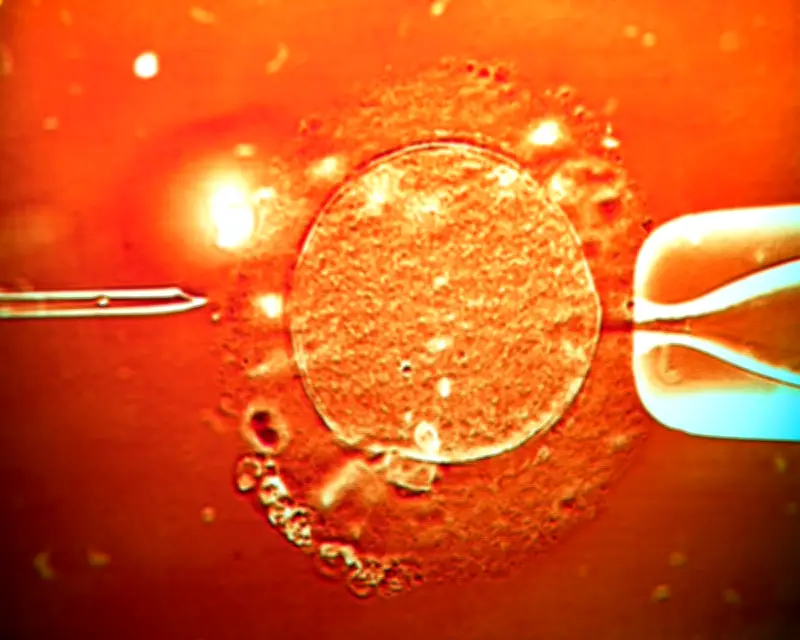
The couple, who had been trying to have a child for years, turned to a surrogacy agency based in Eastern Europe. After the birth of their twins, routine DNA tests revealed that the father was not the biological parent. Further investigation confirmed that the sperm used in the in-vitro fertilization (IVF) procedure belonged to another man, a mistake the agency attributed to a clerical error.
According to the couple's legal representatives, the agency admitted the error but offered only a partial refund and no compensation for the emotional distress. The couple is now pursuing legal action in both the UK and the country where the surrogacy took place.

Legal and Ethical Implications
The case highlights the risks associated with cross-border surrogacy, which is often unregulated. In the UK, surrogacy laws are strict, but overseas agencies may operate with less oversight. Legal experts say the couple faces a complex path to establish parentage and seek damages. "This is a devastating situation for the family," said a family law specialist. "The emotional and financial toll is immense, and the legal framework is ill-equipped to handle such errors."
The couple has expressed their anguish, stating that while they love the twins, the knowledge of the mix-up has caused profound psychological distress. They are calling for tighter regulations on international surrogacy agencies to prevent similar incidents.
Broader Concerns
This incident is not isolated. There have been other cases of sperm mix-ups in fertility clinics worldwide, but cross-border cases are particularly challenging. The couple's case has prompted calls for international agreements to standardize surrogacy practices and ensure accountability. According to a 2025 report by the UK's Human Fertilisation and Embryology Authority, there were 12 reported cases of gamete mix-ups in UK clinics over the past decade, but overseas cases remain largely undocumented.
The couple hopes their legal battle will bring attention to the need for reform. "No one should go through what we have endured," the couple said in a statement. "We want to ensure that other families are protected from such catastrophic mistakes."