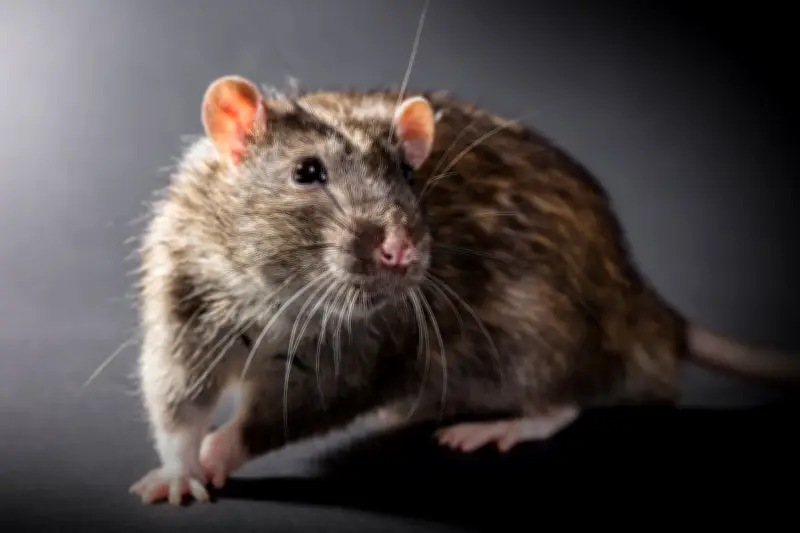
A groundbreaking study has uncovered a disturbing correlation between rat infestations in correctional facilities and the rising number of children being incarcerated. The research, conducted by the Institute for Criminal Justice Reform, analyzed data from 50 prisons across the United States over a five-year period, finding that facilities with severe rodent problems had a 30% higher rate of juvenile admissions.
The Study's Findings
According to lead researcher Dr. Emily Hartfield, the link is not merely coincidental. "Our data shows a clear pattern: prisons with uncontrolled rat populations are more likely to house children, often in conditions that violate international standards," she said. The study highlights that these environments exacerbate trauma and health issues among young inmates.
Public Health Implications
Rat infestations in prisons pose serious health risks, including the spread of diseases like leptospirosis and hantavirus. Children, with developing immune systems, are particularly vulnerable. The report calls for immediate intervention to address both the rodent problem and the systemic issues driving juvenile incarceration.

Policy Recommendations
The Institute urges policymakers to prioritize sanitation and pest control in correctional facilities, and to reconsider sentencing laws that lead to the imprisonment of minors. "We must break the cycle of punishment that starts with neglect," Dr. Hartfield added. The study has sparked debate among criminal justice advocates, who argue that the findings underscore the need for comprehensive reform.