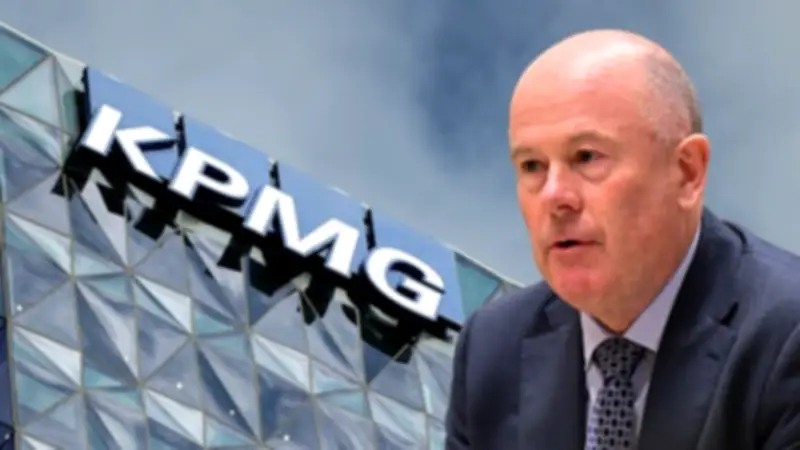
Former KPMG Australia chief executive Andrew Yates is set to face intense questioning this week at a parliamentary inquiry in Canberra. The inquiry will probe allegations that senior KPMG staff secretly accessed confidential client information to gain an edge in winning audit contracts from other companies.
The Allegations
In March 2026, Labor Senator Deborah O'Neill revealed that a KPMG whistleblower had accused partners of misusing confidential documents to pitch for and secure audit work. The federal finance department subsequently launched an independent review of KPMG, while the Greens have referred the firm to the National Anti-Corruption Commission, arguing the review is insufficient.
KPMG's interim chief executive, Stan Stavros, acknowledged on Monday that "individuals in our firm have made mistakes" and pledged to learn from the incidents, though he did not specify the errors.

Broader Industry Concerns
Australia's four largest consulting firms—EY, Deloitte, KPMG, and PwC—have collectively earned billions from taxpayer-funded contracts, including audit services. Auditors are tasked with safeguarding public and investor funds, yet this scandal follows a similar controversy at PwC just three years ago.
The whistleblower, who first raised concerns in mid-2024, went public after waiting two years for meaningful action. In late May, KPMG Australia CEO Andrew Yates and head of audit Julian McPherson resigned. Chairman Martin Sheppard issued an unreserved apology to the whistleblower and affected clients.
Ongoing Investigations
The Australian Securities and Investments Commission (ASIC) has launched a formal investigation into KPMG auditors who handled the whistleblower's complaint. However, experts argue that the focus should also extend to the alleged misuse of confidential information, which may breach audit independence obligations under the Corporations Act.
An ASIC review late last year found that multiple auditors across firms of all sizes struggled to demonstrate compliance with independence and conflict-of-interest rules. Friday's hearing is expected to address not only the KPMG case but also systemic issues across the industry.
Lessons from the PwC Scandal
The KPMG scandal echoes the PwC affair, where confidential government tax information was used for commercial gain. A 2024 parliamentary inquiry made 40 recommendations, including banning PwC from government tenders, but only partial implementation has occurred.
To drive lasting change, experts call for stronger legal and economic deterrence. Legal action should include investigating the auditors involved, while economic consequences—such as lost contracts—are already hitting KPMG. Some long-time clients are reconsidering their relationships, and the federal government is reviewing its contracts.
Continued Government Spending
Despite the allegations, Parliamentary Library research reveals that the federal government signed 31 contracts worth nearly $24 million with KPMG after the scandal broke. These include deals with the finance, defence, and attorney-general's departments, as well as ASIC. KPMG has voluntarily paused bidding for new federal work until September 30, but existing contracts worth $480 million remain active.
Critics argue that governments should take a harder line, potentially terminating contracts and re-tendering work under new ethical conduct rules. KPMG has acknowledged the need to rebuild trust, stating, "We know we have work to do to regain trust."