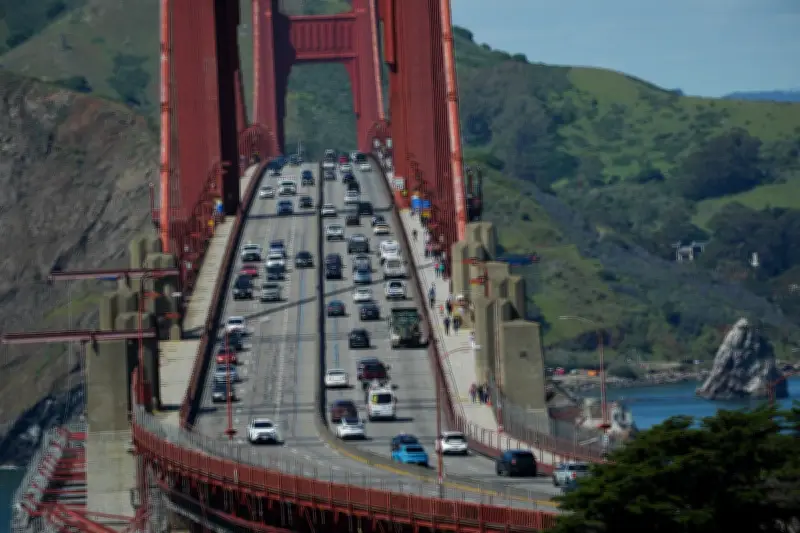
A San Francisco jury has found three climate activists guilty of multiple misdemeanor counts for blocking traffic on the Golden Gate Bridge in April 2024, a protest that snarled traffic for hours and drew national attention. The verdict, delivered on July 2, 2026, marks a significant moment in the legal response to disruptive climate demonstrations.
The Protest and Its Aftermath
On April 15, 2024, activists from the group Extinction Rebellion parked vehicles across the bridge's southbound lanes, unfurling banners that read "Climate Emergency Now" and chaining themselves to the vehicles. The protest began at approximately 7:30 a.m. and lasted until around 2 p.m., causing a six-mile traffic jam that stranded thousands of commuters. Police arrested 26 individuals that day, but only three were charged: Sarah Lazare, 34, of Berkeley; John Mark, 41, of San Francisco; and Emily Norton, 29, of Oakland.
Legal Proceedings and Verdict
The trial, held in San Francisco Superior Court, lasted three weeks. Prosecutors argued that the activists knowingly violated California Vehicle Code Section 21750, which prohibits willfully blocking a roadway, and that their actions endangered public safety by delaying emergency vehicles. Defense attorneys countered that the protest was a necessary act of civil disobedience to highlight the climate crisis, citing the state's ongoing wildfires and heatwaves. On July 2, 2026, the jury found each defendant guilty on two counts of unlawful assembly and one count of obstruction of a thoroughfare. Sentencing is scheduled for August 15, 2026, with each facing up to six months in jail and fines of up to $1,000 per count.

Reactions and Implications
"This verdict sends a clear message that blocking critical infrastructure will not be tolerated," said San Francisco District Attorney Brooke Jenkins in a statement. "We respect the right to protest, but it must be done safely and legally." However, defense attorney Michael Smith called the outcome "a blow to free speech and climate activism," adding that his clients acted out of desperation. "They were trying to sound the alarm on a crisis that threatens all of us," Smith said. The verdict has sparked debate among legal experts and activists about the boundaries of civil disobedience. According to a 2025 study by the University of California, Berkeley, disruptive climate protests have increased by 40% in the past two years, with a corresponding rise in arrests and convictions.