Glasgow, Scotland, achieved a 45% reduction in violent crime over a decade through a pioneering public health program that treats violence as a preventable disease. The initiative, known as the Glasgow Violence Reduction Unit (VRU), is now being examined by policymakers in Melbourne, Victoria, as they seek new strategies to curb rising knife attacks and street violence.
How Glasgow turned the tide
Launched in 2005, the VRU shifted focus from purely punitive measures to addressing root causes such as poverty, trauma, and addiction. The unit brought together police, health workers, social services, and community groups to intervene early with at-risk individuals. According to a 2023 report by the Scottish government, the program contributed to a 45% drop in violent incidents between 2006 and 2016, including a 60% reduction in knife homicides among under-25s.
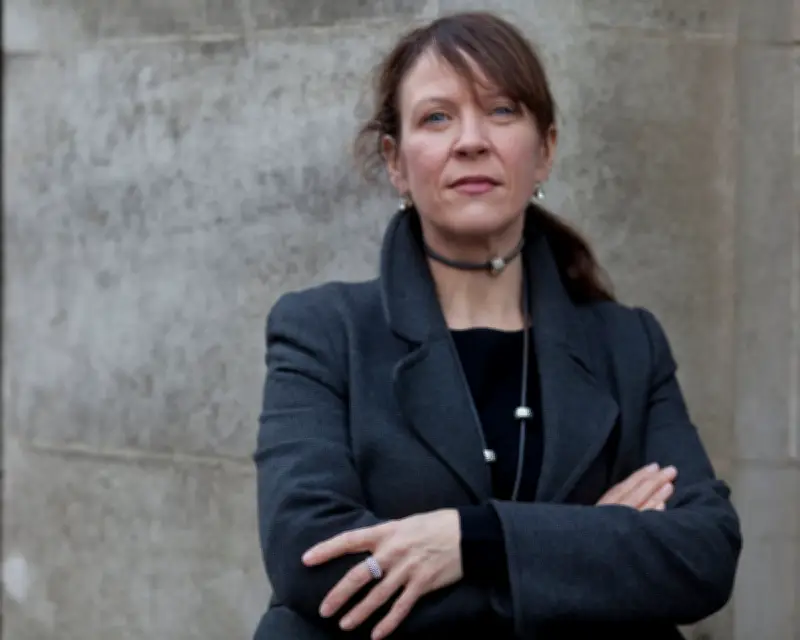
"We treat violence as an infection—it spreads, but it can also be prevented," said Karyn McCluskey, co-founder of the VRU, in a recent interview. "The key is to stop the transmission by focusing on the most vulnerable."

Melbourne looks to Glasgow for answers
Victoria has experienced a surge in knife-related offences, with police data showing a 20% increase in knife crime incidents in Melbourne from 2022 to 2024. In response, the Victorian government has allocated A$5 million to pilot a similar public health approach in two high-crime suburbs. The pilot, announced in May 2026, will involve a dedicated team of caseworkers, mental health support, and job training for young people flagged as at risk.
"We are closely studying the Glasgow model because it has evidence of success," said Victorian Police Minister Anthony Carbines. "But we cannot simply copy it—we need to adapt it to our local context, including Indigenous communities and regional areas."
Key elements of the Glasgow model
The VRU's approach includes: a 'violence interrupters' program where former offenders mediate disputes; referral of hospital patients with violent injuries to support services; and a focus on early childhood interventions to break cycles of trauma. Funding comes from a mix of government and philanthropic sources, with annual costs of about £2 million (A$3.8 million).
Critics argue the program's success is hard to isolate from broader social improvements, but independent evaluations by the University of Glasgow found a "statistically significant" reduction in violence attributable to the VRU.
Challenges for Victoria
Melbourne faces hurdles including a fragmented health system, higher rates of family violence, and a growing youth population in disadvantaged areas. However, advocates say the Glasgow model offers a cost-effective alternative to incarceration. "Prison is expensive and often makes things worse," said Dr. Tim McSweeney, a criminologist at Monash University. "Investing in prevention saves lives and money in the long run."
The Victorian pilot will run for three years, with results expected by 2029. If successful, it could be expanded statewide.