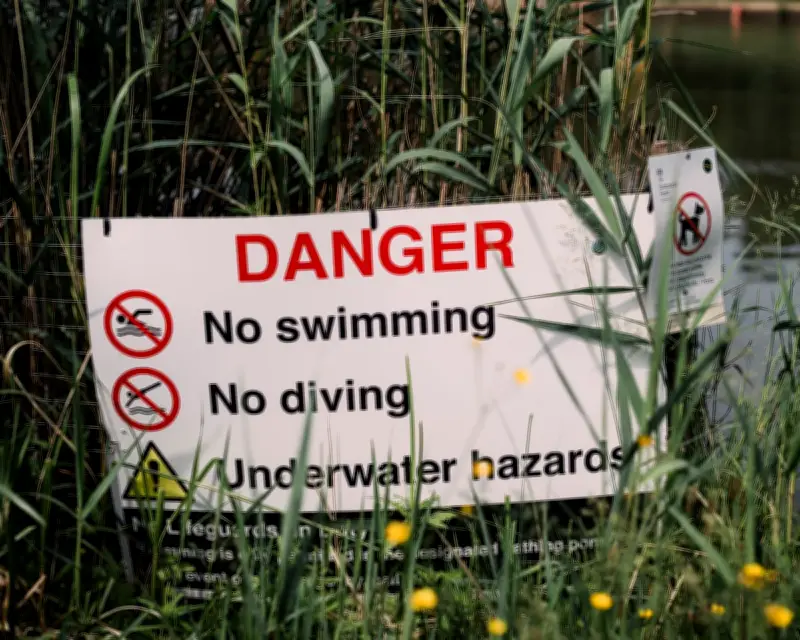
The controversy at Hampstead Heath is about more than just a few thoughtless swimmers during a heatwave. It highlights the urgent need for better access to clean, safe water and proper education about the risks and environmental impact of wild swimming.
As temperatures rise, investment and education are vital to ensure everyone can enjoy water safely. The row began when a viral video showed swimmers ignoring a "no swimming" sign at a wildlife pond, disturbing nesting birds. Environment ministers expressed concern, and the media condemned the swimmers as "selfish" and "appalling." While the disregard for wildlife is shocking, the incident also raises questions about water access.
One swimmer anonymously commented, "It's like nothing is free any more. We don't want to pay for natural water." This reflects a feeling that water is being polluted, fenced off, or monetised. Many wild swimmers ignore signs that seem arbitrary, placed by landowners without clear reason. Designated swimming spots are increasing, but demand will grow with climate change.

On Hampstead Heath, the bathing ponds now charge fees, leading to long queues in hot weather. Meanwhile, city life becomes less bearable, and there are not enough accessible places to swim. Wild swimming is often marketed as a middle-class lifestyle cure-all, but many spots are overcrowded. "No swimming" signs rarely explain the reasons, such as protecting bird habitats, and there is no national conversation about the purpose of rivers, seas, lakes, and ponds.
Campaigns against water pollution are important, but we also need to discuss risk and educate people about the impact of open water swimming on humans and animals. Signs in danger spots should explain actual risks. During the heatwave, 16 water-related deaths occurred, many involving teenagers. Young people are drawn to swimming without considering consequences, especially in areas like Eryri where drownings are common.
The Hampstead Heath saga echoes the response to the felling of the sycamore gap tree: valid anger escalating to irrational outrage. However, most people care about nature. We are animals with a natural urge to cool off in water. As an island nation, swimming is ingrained in us. To prevent tragedies, education and investment are more urgent than ever.