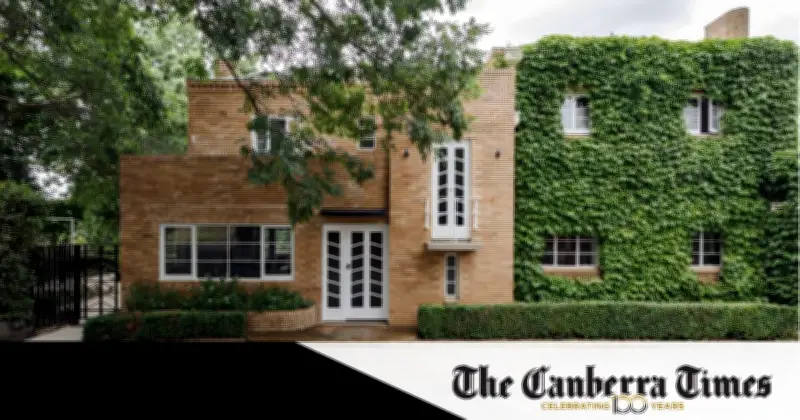
3 Wilmot Crescent, a striking example of 1930s modernist architecture in Canberra, has unveiled secrets of its past through recent research and restoration efforts. The house, designed by architect Malcolm Moir, stands as a testament to the early adoption of modernist principles in Australia's capital.
Architectural Significance
Built in 1937, the residence features flat roofs, horizontal lines, and large windows, characteristic of the International Style. According to heritage experts, it is one of the few surviving examples of pre-war modernist houses in Canberra. The design incorporates local materials while embracing global trends, reflecting the optimism of the era.
Hidden Discoveries
During renovations, owners uncovered original features such as terrazzo flooring, built-in furniture, and a concealed safe. These elements provide insight into the lifestyle of the original occupants, including the prominent public servant who commissioned the home. The safe contained documents and photographs that shed light on Canberra's early development.

“It was like stepping back in time,” said the current owner. “Every room had a story to tell.” The discoveries have prompted a renewed interest in preserving the property's heritage.
Preservation and Legacy
The house is now listed on the ACT Heritage Register, ensuring its protection for future generations. Heritage advocates emphasize the importance of maintaining such structures to understand Canberra's architectural evolution. The restoration has been meticulous, aiming to retain original elements while updating systems for modern living.
“This house is a rare gem,” noted a local historian. “It represents a pivotal moment in Australian architecture when modernism was just taking hold.”