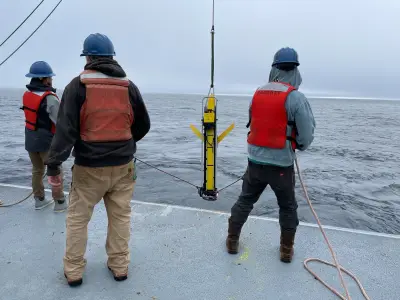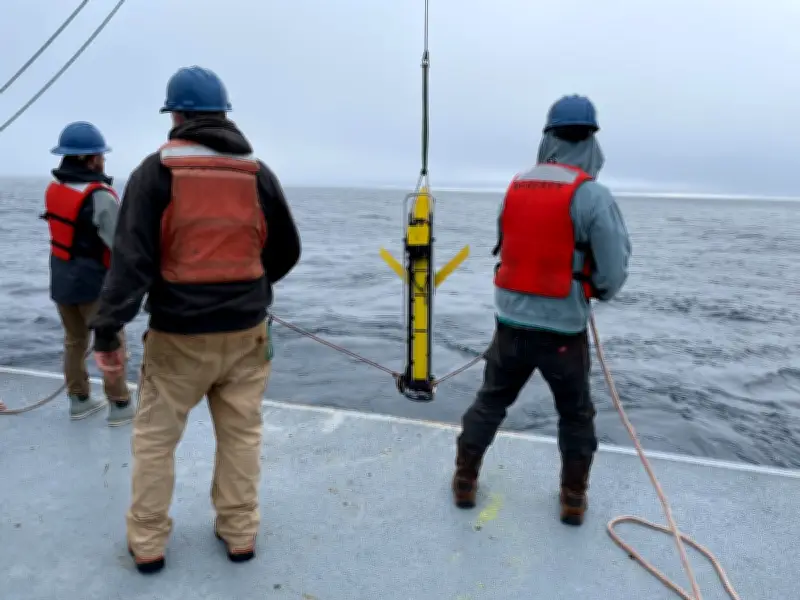
The Trump administration plans to dismantle a $368 million deep-sea observation system that has provided crucial data on ocean systems and climate change for over a decade. The National Science Foundation (NSF) announced it has initiated descoping of the Ocean Observatories Initiative (OOI), a vast network comprising more than 900 instruments collecting data on ocean health, including current patterns, climate variability, and marine biodiversity.
Plans to Remove Infrastructure
The notice, issued on 21 May, came days after Trump fired all members of the independent board overseeing the NSF. It outlines plans to remove all in-water infrastructure from observation sites off the coasts of North Carolina, Oregon, Washington, and Alaska, as well as from the Irminger Sea between Greenland and Iceland. The phased recovery and removal process is expected to take place over the next 15 months, ending real-time data streams and observing capabilities at those locations.
Reactions from Scientists and Lawmakers
Scientists expressed dismay, while Democratic lawmakers pledged to fight the move. Senator Chris Van Hollen called it a shortsighted move that would cost taxpayers more. Senator Sheldon Whitehouse criticized the decision on X, linking it to fossil fuel interests. The OOI's principal investigator, Jim Edson, expressed gratitude for the scientific community's efforts and noted the end of over a decade of continuous ocean monitoring.

Impact on Climate Research
Hilary Palevsky, a professor at Boston College, highlighted the loss of sophisticated data collection that scientists rely on. She warned that rebuilding the network would be difficult due to the dismantling of expertise. OOI data has contributed to research on carbon sequestration, marine ecosystems, and the Atlantic Meridional Overturning Circulation (AMOC), a critical ocean current system vulnerable to collapse. Palevsky emphasized that reducing ocean data hampers society's ability to understand and adapt to climate change.
NSF's Response
NSF head of media affairs Mike England stated the program is not cancelled but descoped to align with a nimbler strategy prioritizing evolving scientific priorities and smart lifecycle management.