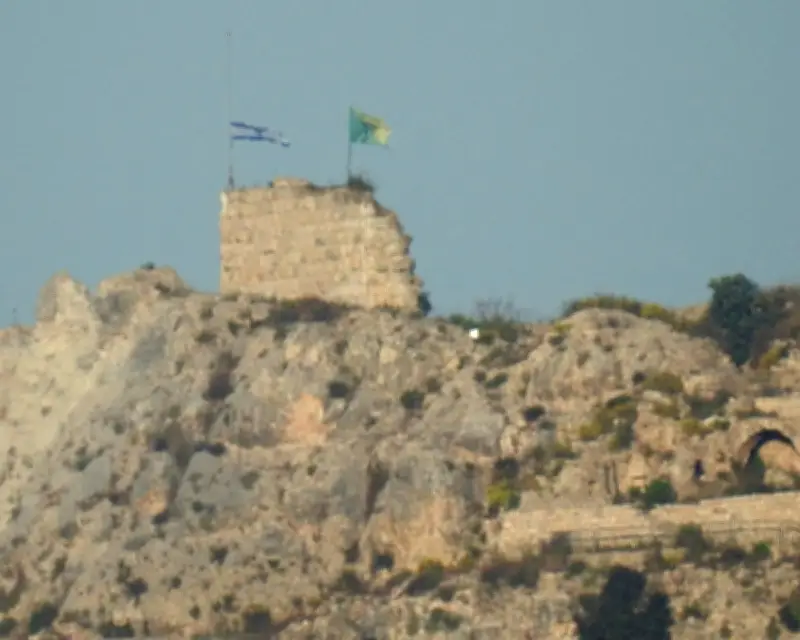
An Israeli flag and a flag of the Golani Brigade fly on Beaufort Castle, a sight that has caused deep shock among Lebanese. The ancient hilltop fort, captured nearly 1,000 years ago by Crusaders, was taken by Israeli forces for the first time in 26 years, evoking painful memories of the 18-year occupation of south Lebanon that began in 1982.
A Symbol of Steadfastness Falls
Hussain Alawieh, a tour guide based in south Lebanon, described the raising of the Israeli flag above the castle as a shock to him and all southerners and Lebanese people. The castle had long been a symbol of steadfastness and resistance. Its thick stone walls survived Israeli aerial bombing in the 1980s when used by the Palestine Liberation Organisation, and again when Israel detonated explosives upon its withdrawal in 2000. Alawieh noted that the flag raising is intended to send a message of psychological domination and defeat, conveying that even sites considered impregnable have fallen.
Renewed Israeli Offensive
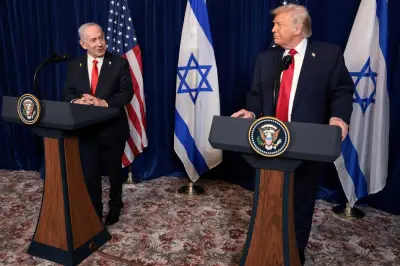
The capture of Beaufort Castle came as Israel's invasion of south Lebanon lurched forward. The pace of war had slowed since a supposed ceasefire on 17 April, but last week the conflict accelerated. Israeli warplanes killed at least a dozen people a day, and soldiers marched forward. Prime Minister Benjamin Netanyahu, facing domestic political pressure, announced a deepening of the invasion. To Lebanese, the sight of the Israeli flag over the castle brought back memories of the occupation. Fouad Fatimi, mayor of Arnoun where the castle is located, said it brought him back to painful days in 1986, 1987, and 2000.

Empty Villages and Undefended Forts
Arnoun had been emptied out weeks before its capture due to Israeli airstrikes. Fatimi had received a phone call from an Israeli officer telling residents to leave. Israeli soldiers arrived to an empty village and an undefended castle. The military shared footage of soldiers striding up the castle's steps set to a song by Lebanese singer Fairuz, with the chorus repeating: "Where are they? Where are they?"
Widespread Bombing and Displacement
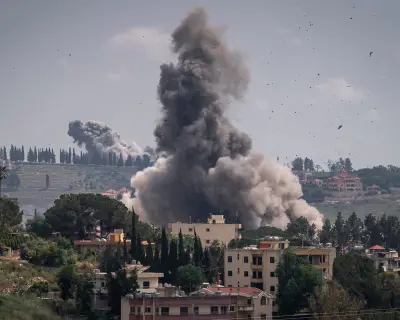
As Israeli soldiers patrolled the castle, warplanes bombed south Lebanon. The city of Tyre was pounded with airstrikes, leaving smoking craters and rubble. Entire neighborhoods were covered in rubble, and immense plumes of smoke rose above homes. The city's civil defence withdrew before the bombing after Israeli demands, returning on Monday to establish a new headquarters in the Christian quarter, which had not yet been bombed.
On Monday, Israel's campaign expanded further, with Beirut once again coming under threat. Defence Minister Israel Katz said the military would start striking Beirut. Roads out of the southern suburbs were choked with cars heading north as people fled their homes for the second time in six weeks. WhatsApp chats were filled with messages of resignation, with one resident saying, "Here we go again."
Condemnations and Hope
Both the Lebanese government and Hezbollah issued condemnations of the escalation. Hezbollah MP Hassan Fadlallah said the group would work to prevent the Israeli military from consolidating control over occupied areas. Unable to stop the advancing Israelis, many Lebanese looked to the castle's history as a symbol of hope that they may one day return. Alawieh said seeing the castle once again covered by the flag of occupation was a deep wound, but he sees this presence as temporary, given the castle's history of casting out all invaders and occupiers.