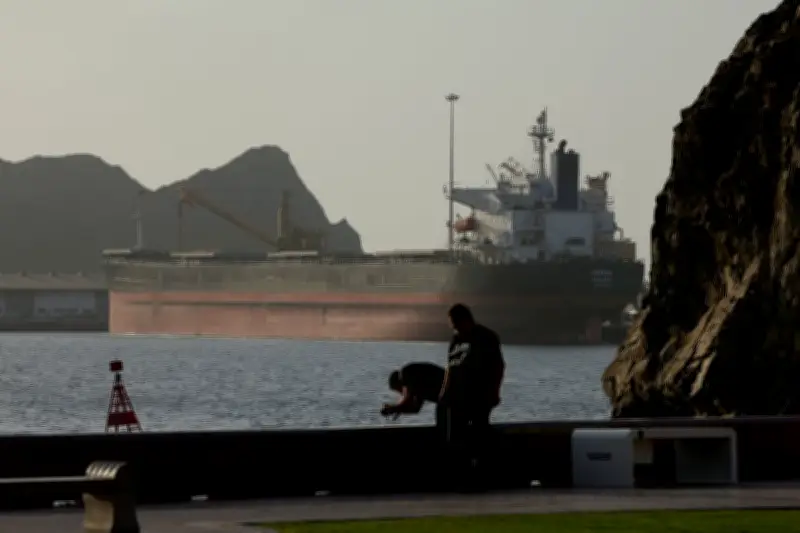
Commercial vessels and oil tankers preparing to transit through the Strait of Hormuz on 17 June 2026. Photograph: Anadolu/Getty Images
Senior US officials have disclosed the contents of a preliminary memorandum of understanding (MOU) between Washington and Tehran aimed at ending the 110-day conflict that has cost thousands of lives and severely impacted the global economy. The officials briefed journalists on Wednesday ahead of a formal signing ceremony expected in the coming days. Both sides have 60 days to negotiate the terms before a final agreement is reached.
Key Elements of the Deal
1. Immediate and Permanent Ceasefire
Both the US and Iran, along with their allies, agree to declare an immediate and permanent halt to military operations on all fronts upon signing. The MOU explicitly includes Lebanon, requiring Iran to rein in Hezbollah. However, Israel retains the right to retaliate if Hezbollah attacks.

2. Iran Concedes Enriched Uranium Stockpile Must Be Destroyed
Iran has conceded that its enriched uranium stockpile will be destroyed through downblending on Iranian soil, supervised by the International Atomic Energy Agency (IAEA). The parties also agreed to discuss enrichment and other nuclear matters based on a mutually satisfactory framework in the final deal.
3. Sanctions Relief Tied to Nuclear Action
The MOU links sanctions relief to nuclear compliance. The US commits to terminating all sanctions against Iran on an agreed schedule as part of the final deal. A senior official emphasized that sanctions relief is tied to performance on nuclear questions.
4. Oil Sanctions Waiver
Iran receives an upfront exception: the US Treasury will issue waivers for Iranian crude oil exports, petroleum products, and associated banking services immediately upon signing. Officials defended the move, noting that Iranian oil was already flowing to China at a discount, and the waiver removes that subsidy while improving visibility.
5. Restoration of Strait of Hormuz Traffic
Iran must ensure toll-free passage for commercial vessels for at least 60 days, with full restoration of traffic within 30 days. Gulf states opposed any long-term charging for access. Officials noted that for the first time in 100 days, Iran fired on no vessels in the strait the day before the call.
6. Frozen Assets Released Only After Implementation
Iran's frozen funds will only become accessible after it implements the MOU's terms, not at signing. Funds will be made fully usable for payments to beneficiaries designated by Iran's central bank upon implementation.
7. 60-Day Negotiation Period
Both sides have 60 days to negotiate a comprehensive final agreement, extendable by mutual consent. A binding UN Security Council resolution would be required to endorse the final deal. However, either side can walk away at any time, and US officials indicated they are prepared to tighten economic pressure if talks collapse.