Donald Trump's relentless campaign against the integrity of US elections is not just a relic of the 2020 contest—it is a live threat to the 2026 midterms. With his influence still potent among Republican base voters, Trump has made election denial a litmus test for GOP candidates. This has led to a wave of new voting restrictions in key battleground states, which could tip the balance of power in Congress.
The Stakes for 2026
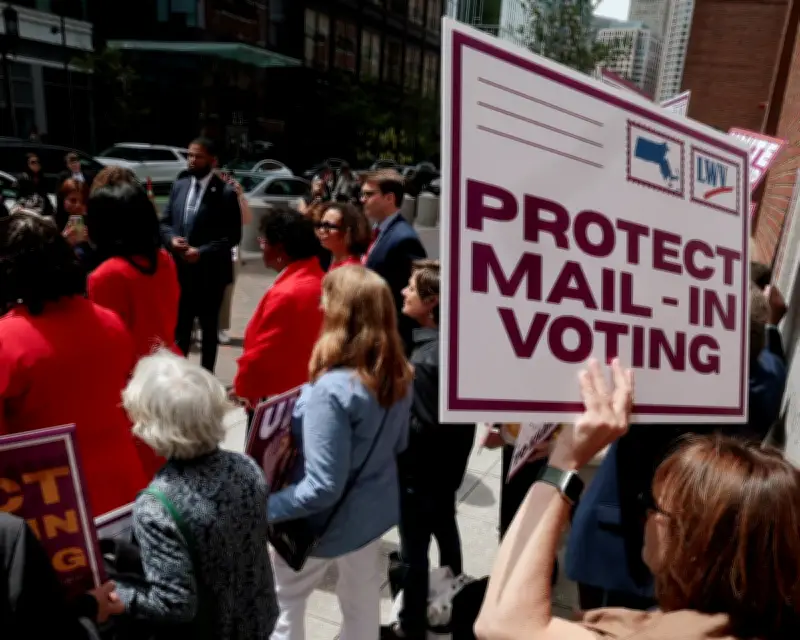
The midterms are always a referendum on the sitting president, but this year the battle over voting rights adds a new dimension. In states like Georgia, Arizona, and Texas, Republican legislatures have passed laws limiting mail-in voting, tightening ID requirements, and reducing early voting hours. These measures disproportionately affect minority and low-income voters, who tend to lean Democratic.
Trump's Role
Trump continues to amplify false claims that the 2020 election was stolen, and he has endorsed candidates who share his views. This has created a feedback loop: candidates who question election results are more likely to win primaries, and once in office, they push for laws that make it harder to vote. The result is a self-perpetuating cycle of distrust and restriction.

National Impact
If these laws are allowed to stand, they could suppress turnout among Democratic-leaning groups by millions of votes. That would make it far harder for Democrats to hold their narrow majorities in the House and Senate. Moreover, the laws could lead to chaotic elections, with long lines, confusion, and potential legal challenges.
What Can Be Done?
Democrats are pushing for federal voting rights legislation, such as the John Lewis Voting Rights Advancement Act, but it faces a uphill battle in the Senate due to the filibuster. Meanwhile, advocacy groups are fighting the new laws in court, arguing that they violate the Constitution and the Voting Rights Act. But time is running out before the 2026 primaries and general election.
The outcome of the midterms will have profound consequences for American democracy. If election deniers win, they may further entrench restrictions and undermine confidence in the electoral system. If voting rights advocates prevail, they can restore some of the protections that have been eroded since the Supreme Court gutted the Voting Rights Act in 2013.
Conclusion
Trump's shadow looms large over the 2026 midterms. His continued attacks on voting rights are not just rhetoric—they are shaping laws and candidate selection. The battle for the ballot box is now the central front in America's political war. The question is whether democracy can withstand the assault.