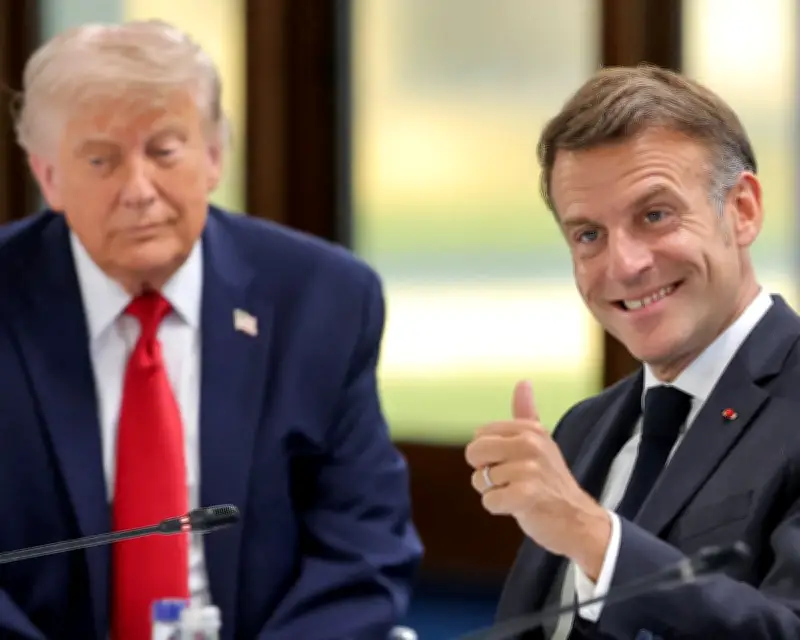
Trump Faces Backlash Over Iran Outreach at G7
President Donald Trump is facing a wave of domestic criticism after his administration signaled openness to engaging with Iran during the Group of Seven summit. The move has sparked confusion and concern among US lawmakers and allies alike, who question the strategic rationale and timing of the outreach.
Lawmakers from Both Parties Express Alarm
Leading Republicans and Democrats have voiced strong objections to any deal with Iran that does not address its ballistic missile program and regional activities. Senator Marco Rubio called the potential engagement "dangerous," while House Speaker Nancy Pelosi warned against legitimizing the Iranian regime. The bipartisan criticism underscores deep divisions over US policy toward Tehran.
Allies Skeptical of US Approach
European leaders, who have worked to preserve the 2015 nuclear deal, expressed caution about Trump's sudden shift. French President Emmanuel Macron noted that any new agreement must be comprehensive and verifiable. Meanwhile, Israeli Prime Minister Benjamin Netanyahu reiterated his opposition to any deal that leaves Iran with nuclear capabilities.

White House Defends Strategy
White House officials defended the president's approach, arguing that direct engagement could lead to a more stable Middle East. Press Secretary Karoline Leavitt stated that Trump is seeking a "better deal" that addresses all aspects of Iran's malign behavior. However, critics say the administration lacks a clear plan and has not consulted adequately with Congress or allies.
The controversy comes as Trump faces multiple domestic challenges, including investigations and a struggling economy. The Iran gambit may be an attempt to shift focus, but it risks further isolating the US on the world stage.